GreenBUILD Consortium Holds Second Coordination Meeting at the University of Parma
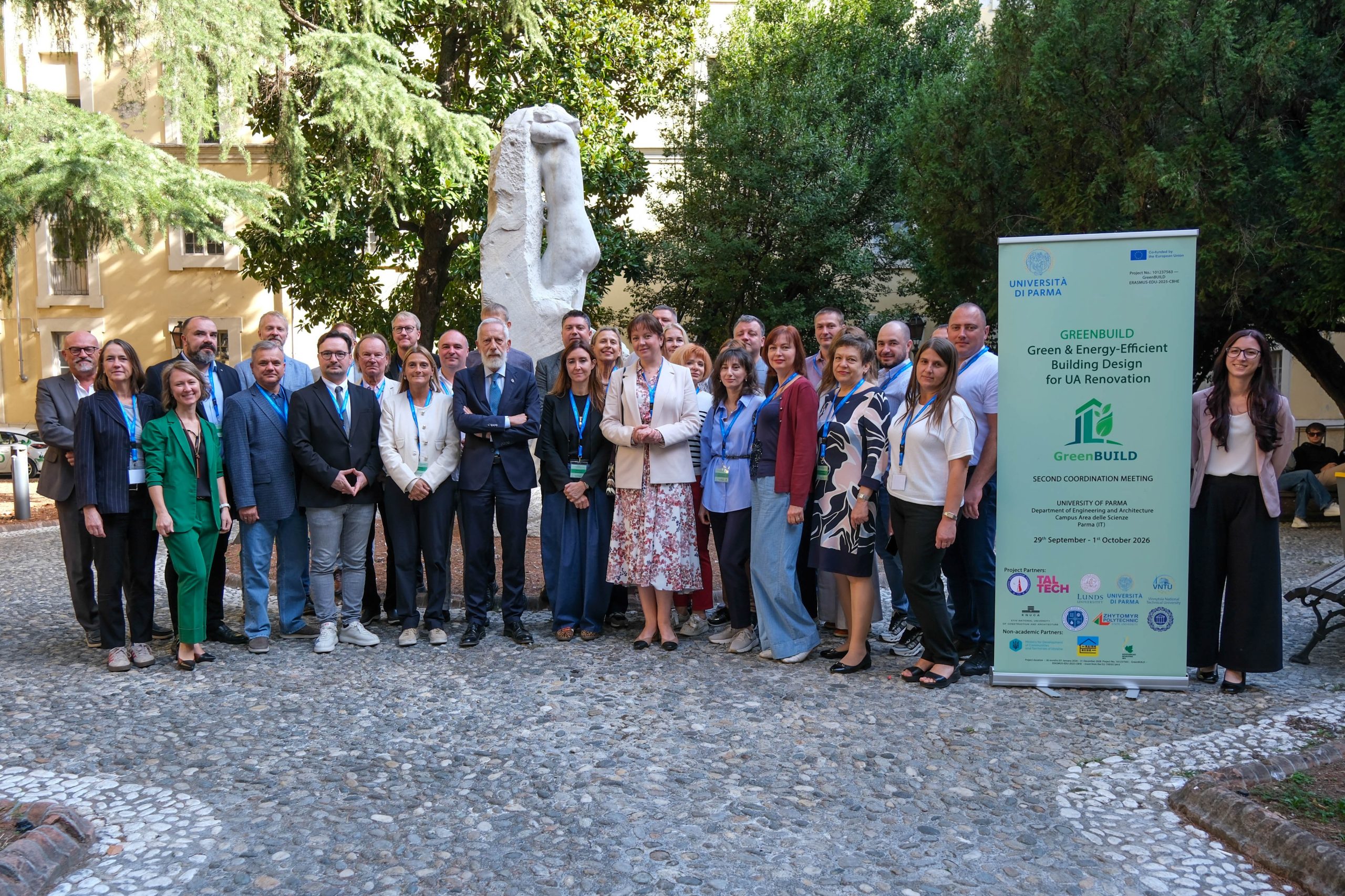
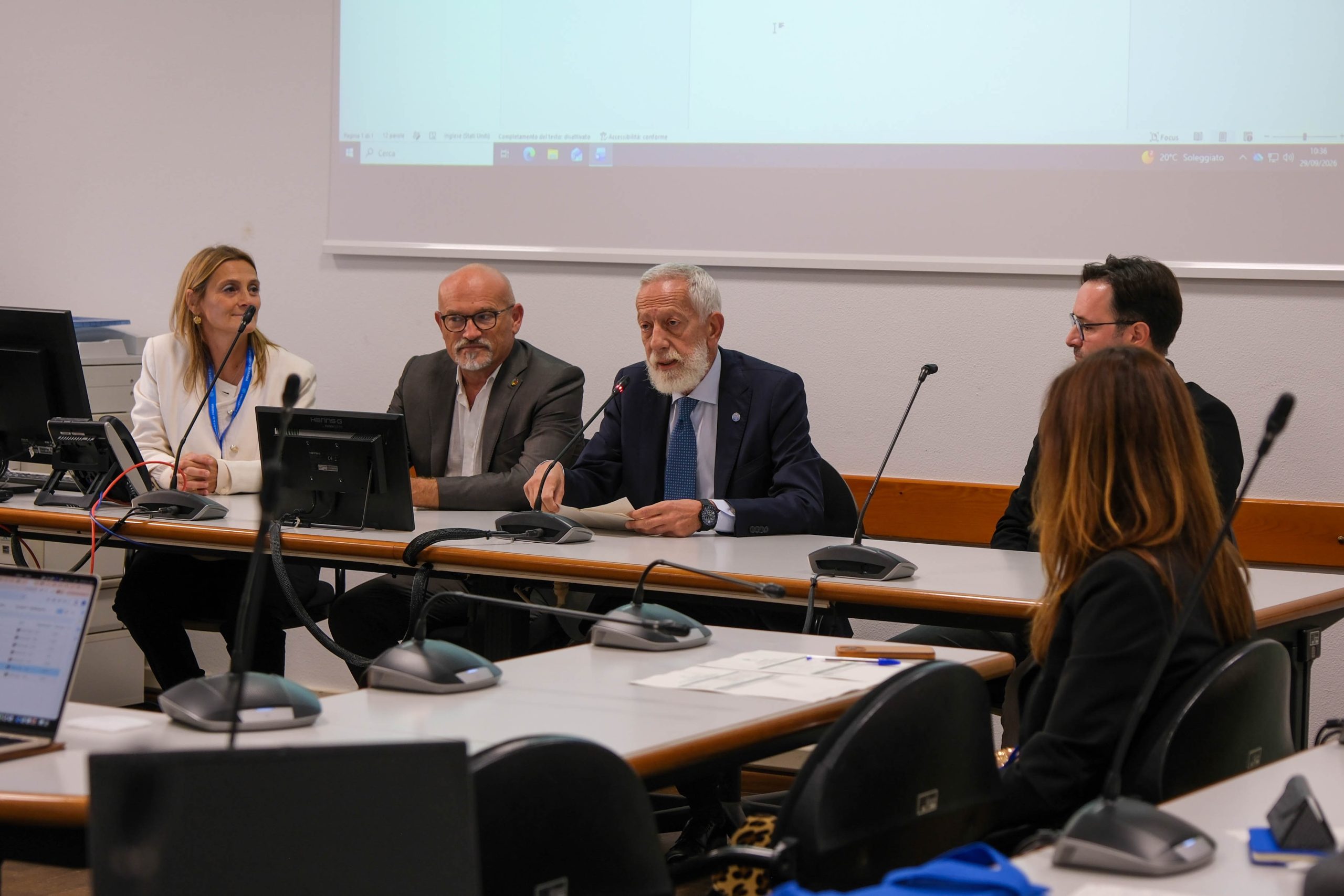
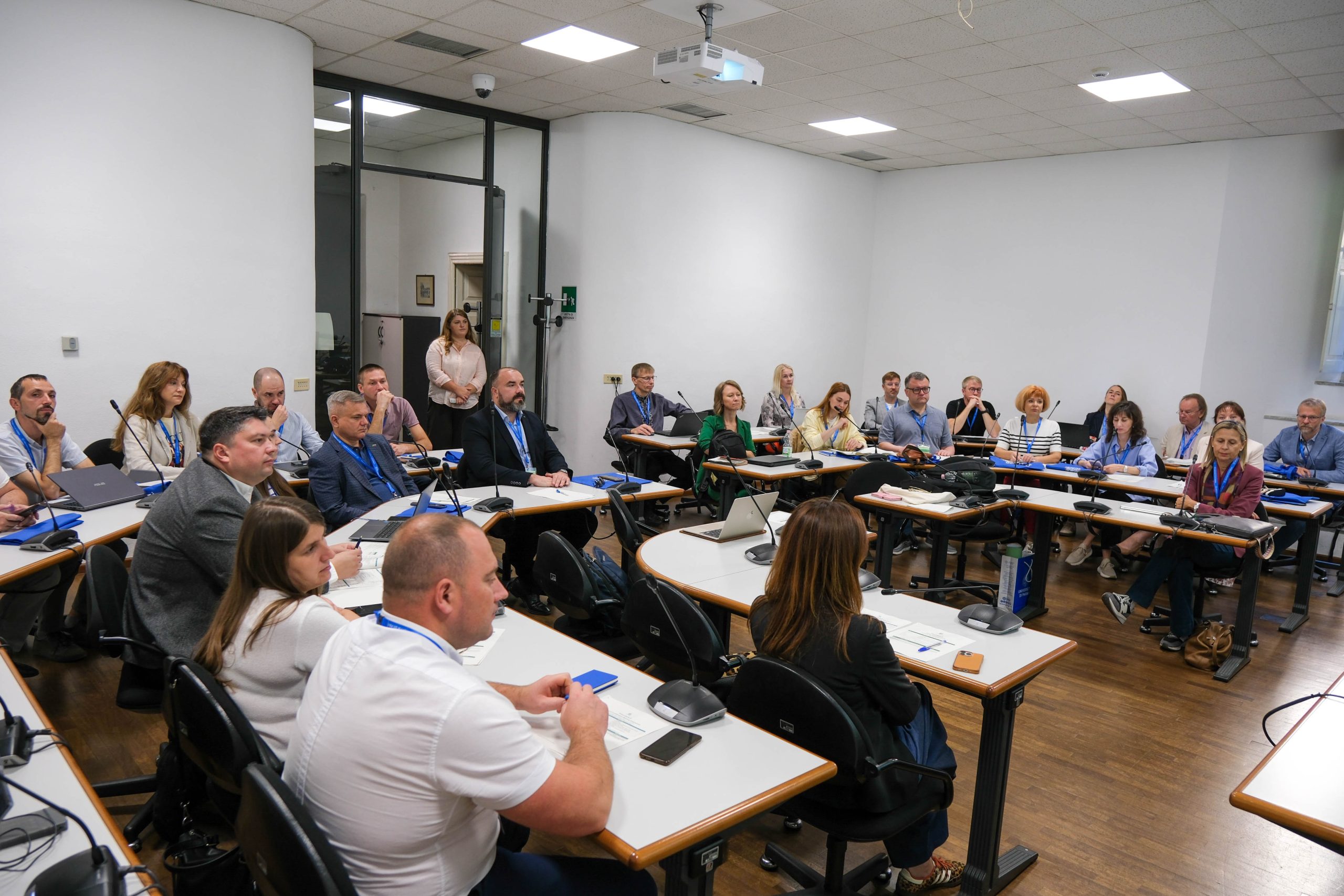
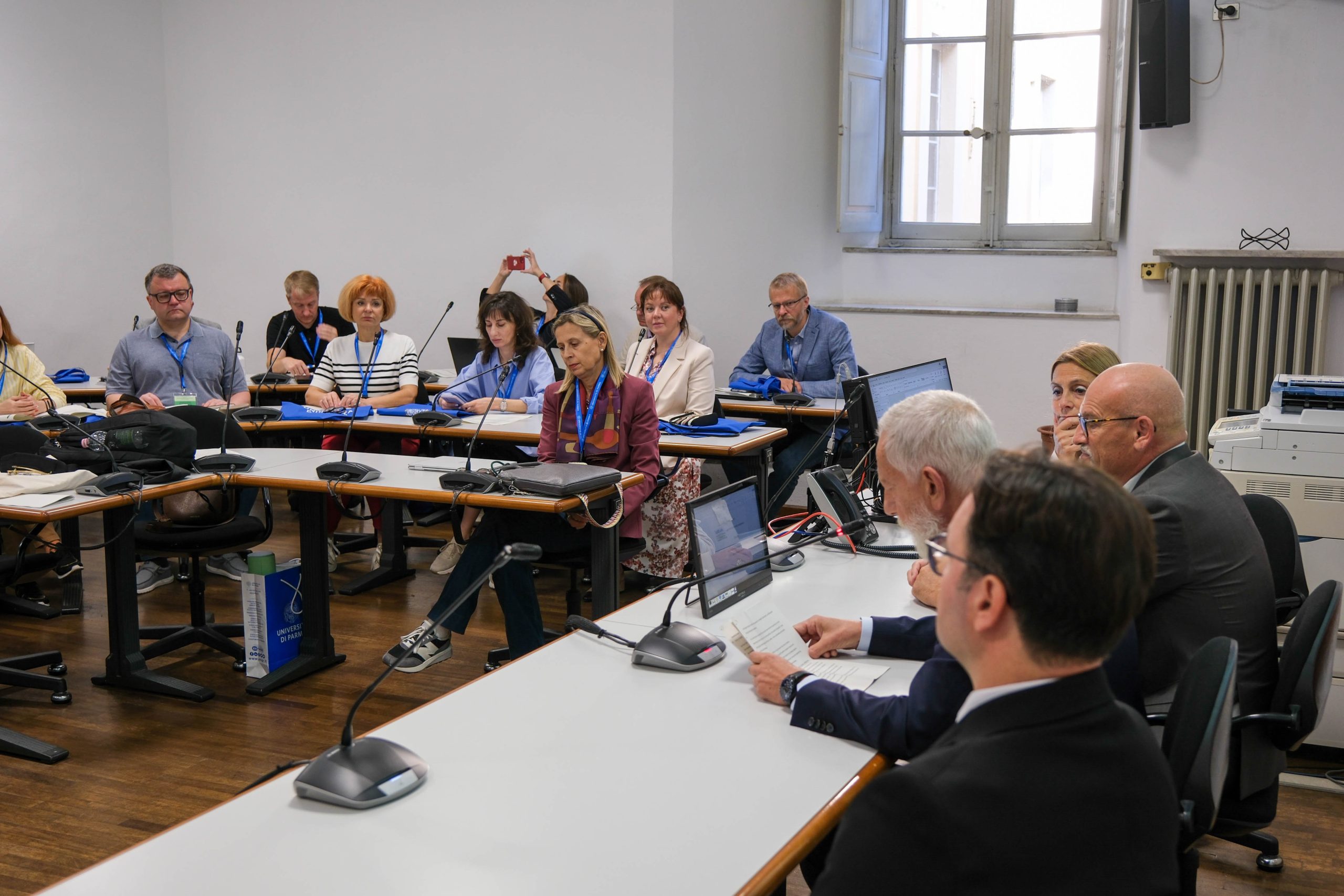
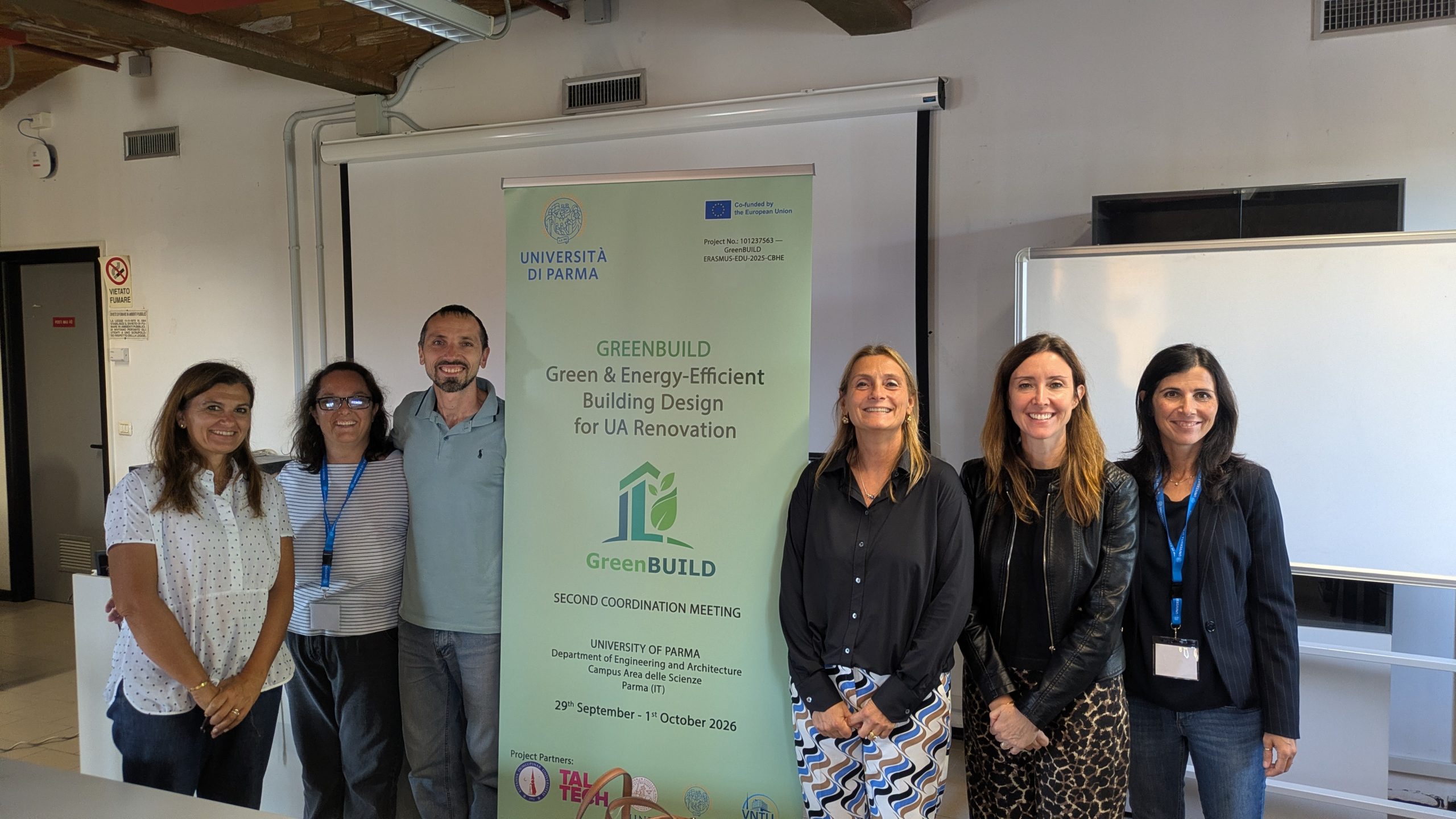
From 28 September to 2 October 2026, the University of Parma (Italy) hosted the Second Coordination Meeting of the Erasmus+ Capacity Building in Higher Education project “Green & Energy-Efficient Building Design for UA Renovation” (GreenBUILD).
The meeting brought together project coordinators and representatives of partner universities to review progress achieved during the first implementation period, discuss the outcomes of the needs analysis and study visits, and agree on the next steps towards developing innovative educational programmes in sustainable and energy-efficient construction.
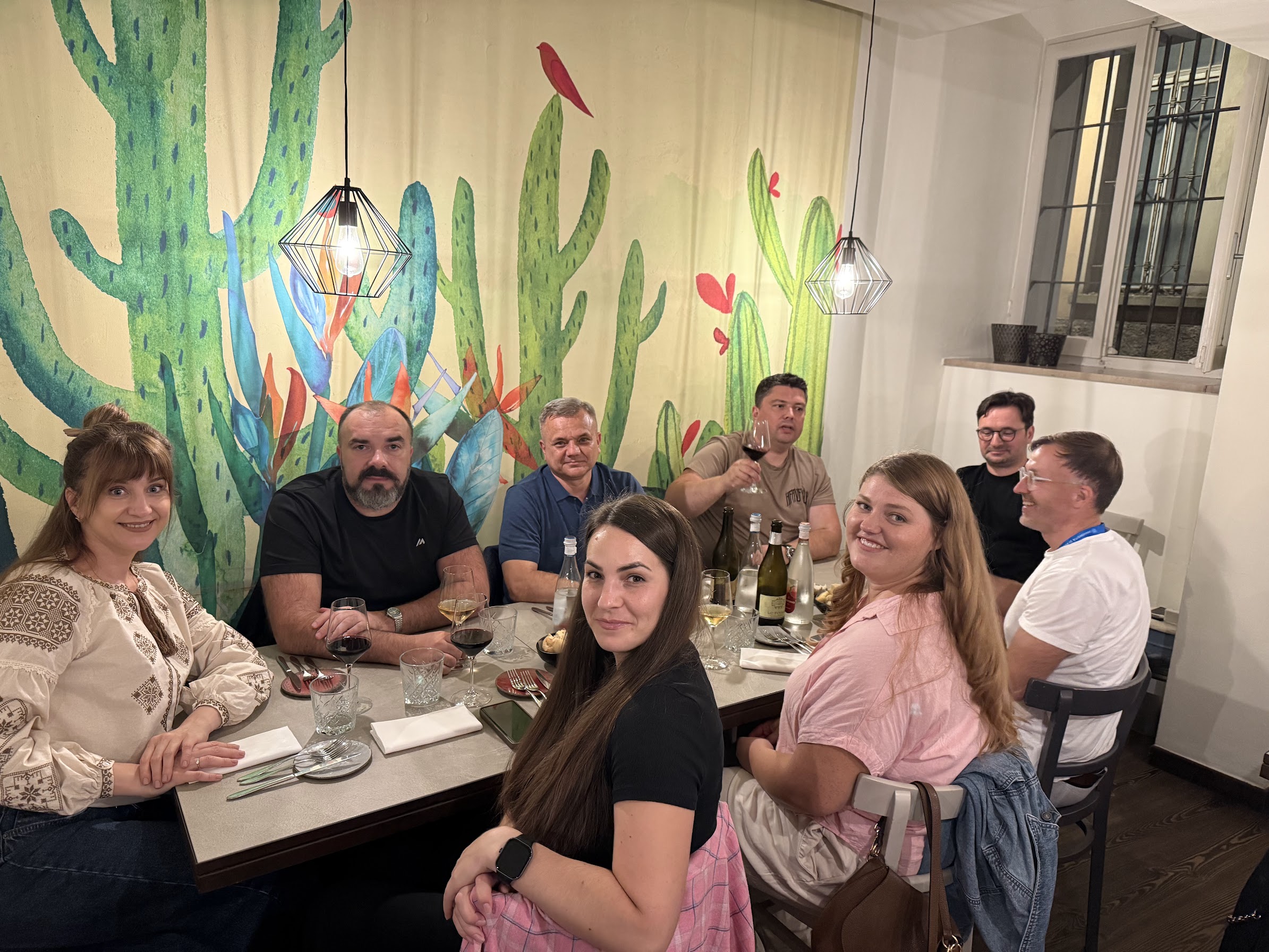
The meeting also provided an opportunity to strengthen cooperation within the consortium, address organisational and financial matters, and coordinate upcoming activities and deliverables.
Reviewing project progress and needs analysis results
One of the central topics was the assessment of GreenBUILD implementation progress and the presentation of the Need Analysis Report, developed to identify the educational and professional competencies required for Ukraine’s sustainable reconstruction.
Partners discussed how the findings should inform the development of the new Master’s programmes, course content, and practical learning activities.
Particular attention was paid to ensuring that the future educational programmes respond to:
Current and emerging needs of Ukraine’s construction industry;
European standards and sustainable building practices;
Digitalisation and the application of innovative technologies in construction;
Practical skills required for the renovation and reconstruction of damaged buildings;
Labour-market expectations and feedback from industry stakeholders.
The consortium emphasised that the results of the needs analysis should serve as an evidence-based foundation for further curriculum development.
Advancing curriculum and course development
A significant part of the meeting focused on the development of GreenBUILD courses and their integration into the educational programmes of Ukrainian partner universities.
Partners discussed course development strategies, the structure of learning outcomes, ECTS allocation, and the distribution of responsibilities among course development teams.
The consortium agreed on the next practical steps, including the designation of university representatives and content developers for the courses, the selection of modules for integration into institutional curricula, and the preparation of the necessary academic information.
The discussions also addressed opportunities to incorporate innovative digital learning tools, virtual reality applications, and European expertise in building renovation into the future courses.
These activities represent an important stage in transforming the results of the needs analysis into structured educational content aligned with the objectives of GreenBUILD.
Strengthening digital learning and teaching innovation
The coordination meeting also addressed innovative teaching methods and the digital transformation of higher education.
Representatives of the University of Parma shared institutional experiences in promoting innovation in teaching and learning, including approaches to student engagement, course evaluation, and the adoption of new educational technologies.
Partners discussed the potential application of artificial intelligence in teaching, learning, and assessment, as well as opportunities to improve the digital components of GreenBUILD courses.
Another important topic was the development of a Massive Open Online Course (MOOC) to support wider access to educational resources and professional training in sustainable construction.
The consortium discussed the preparation of the MOOC concept, which will address academic, organisational, methodological, and technical aspects of its future implementation.
Preparing GreenBUILD LABs and strengthening practical education
The meeting included discussions on the establishment of GreenBUILD LABs at Ukrainian partner universities.
Partners reviewed the equipment procurement process, financial and organisational requirements, and the coordination necessary to ensure the effective development of laboratory infrastructure.
The consortium highlighted the importance of timely procurement planning and cooperation between partner institutions to support the creation of modern learning environments.
The development of GreenBUILD LABs will provide opportunities to strengthen practical education, integrate modern technologies into teaching, and improve the professional preparation of future specialists in sustainable construction and building renovation.
Agreeing on the next steps and upcoming activities
The meeting concluded with a review of responsibilities, implementation priorities, and deadlines for the coming months.
Among the main agreed actions were:
Finalising partner inputs for course development and curriculum integration;
Preparing reports on good practices and knowledge gained during international study visits;
Continuing the development of innovative teaching materials and digital learning approaches;
Advancing equipment procurement and preparations for GreenBUILD LABs;
Developing the concept for the future GreenBUILD MOOC;
Preparing the next Training of Trainers activities and the Third Coordination Meeting, planned to take place in Türkiye in spring 2027.
Partners also discussed opportunities for further international cooperation and future joint initiatives building on the experience gained through GreenBUILD.
Moving forward towards GreenBUILD objectives
The Second Coordination Meeting at the University of Parma marked an important milestone in the implementation of GreenBUILD, providing a platform for evaluating achievements, addressing challenges, and establishing a common approach to the next project activities.
By aligning curriculum development with the needs of the construction sector, promoting innovative teaching methods, and strengthening practical learning infrastructure, the consortium continues to advance the project’s mission of modernising higher education in Ukraine.
The decisions and agreements reached in Parma will guide the next implementation phase, contributing to the development of high-quality educational programmes and professional competencies essential for Ukraine’s sustainable, energy-efficient, and resilient reconstruction.