GreenBUILD Study Visit to Kütahya Dumlupınar University: Advancing Modern Teaching Methods and Digital Learning
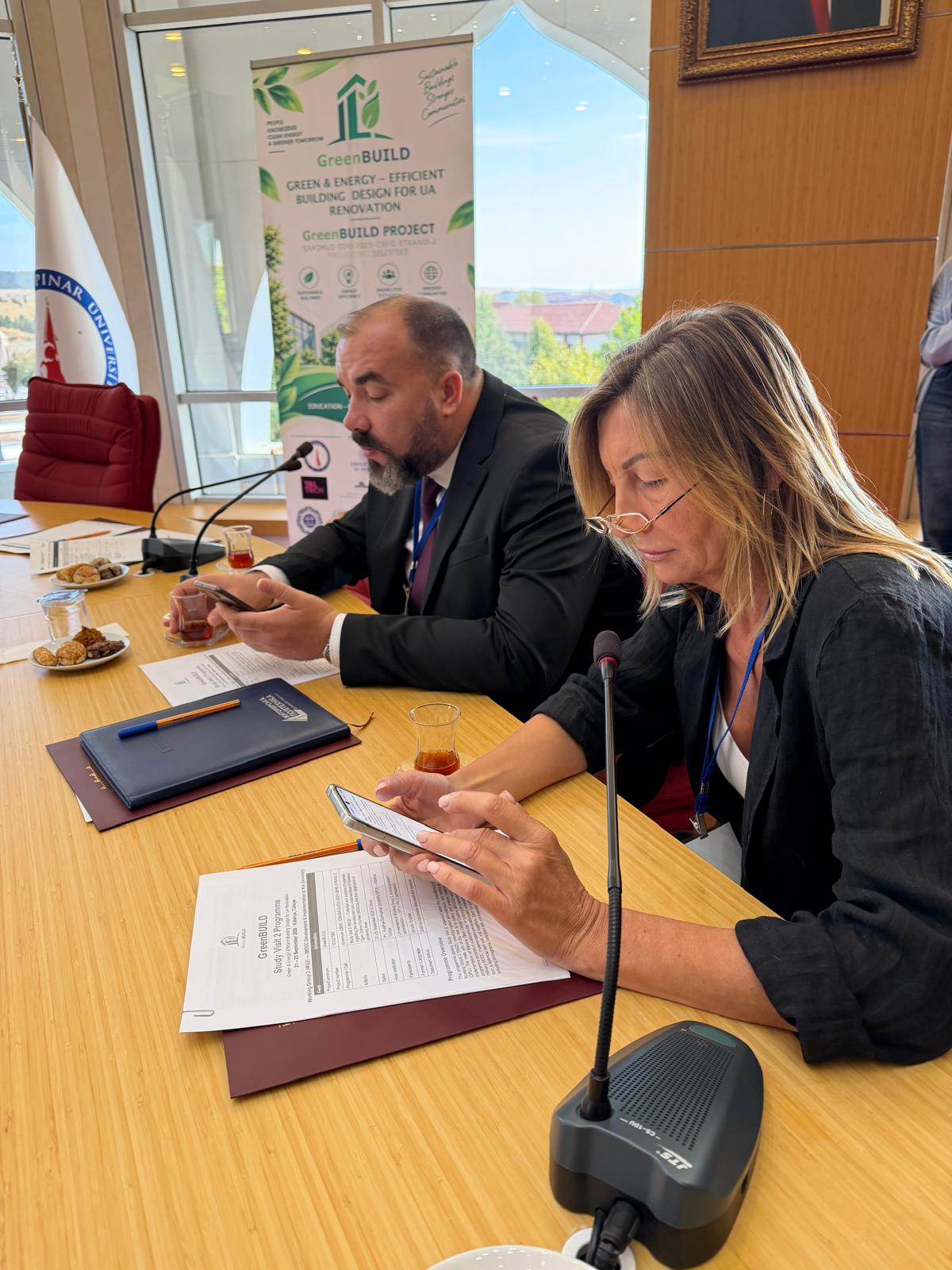
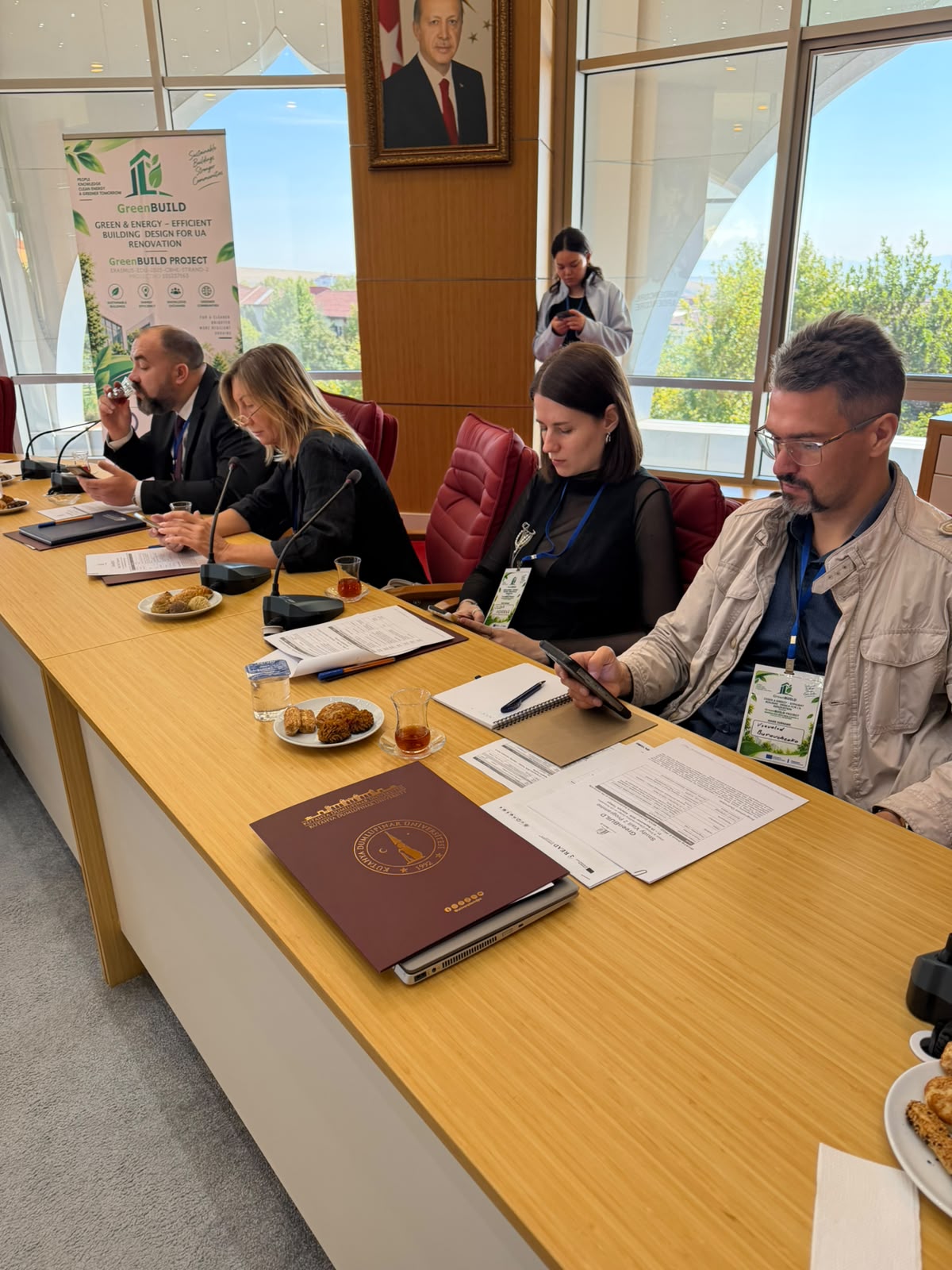
From 21 to 25 September 2026, Kütahya Dumlupınar University (DPU), Türkiye, hosted a study visit within the Erasmus+ Capacity Building in Higher Education project “Green & Energy-Efficient Building Design for UA Renovation (GreenBUILD)”.
The visit brought together representatives of Ukrainian partner universities to explore modern teaching methodologies, curriculum development, digital learning technologies, laboratory infrastructure and practical approaches to engineering education.
The programme was designed for two GreenBUILD working groups: Working Group 1 (WG1), focusing on Master’s programmes, laboratory infrastructure and modern student training methods, and Working Group 2 (WG2), responsible for the development and implementation of Massive Open Online Courses (MOOCs).
The study visit combined joint training sessions, laboratory visits and technical activities with specialised sessions addressing the respective responsibilities of both working groups. This approach enabled participants to explore different aspects of educational modernisation while exchanging knowledge and experience with Turkish academic experts.
Curriculum Development and MOOC Implementation
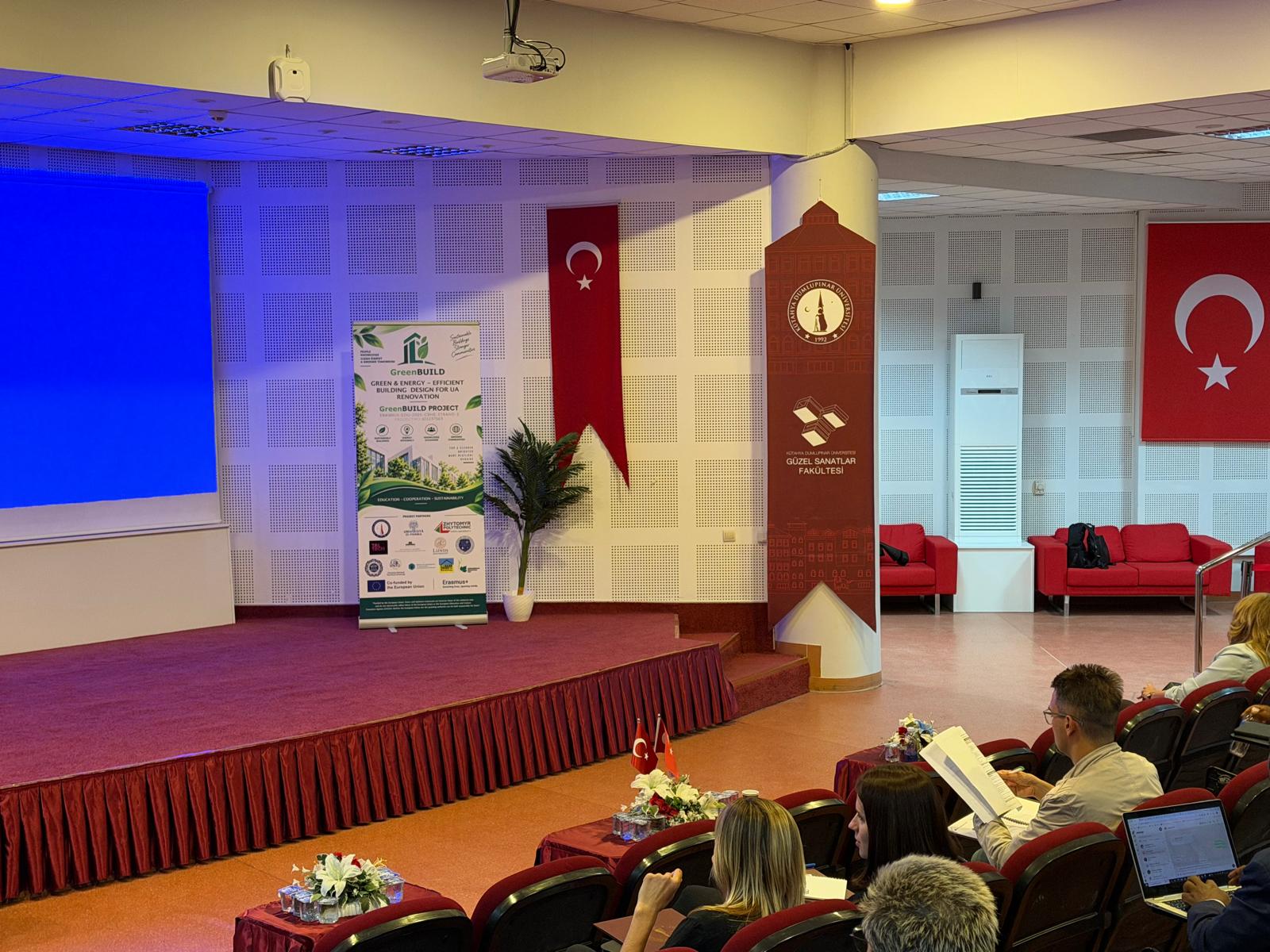
On 22 September, the programme began with an official welcome and thematic sessions dedicated to the development of modern university education.
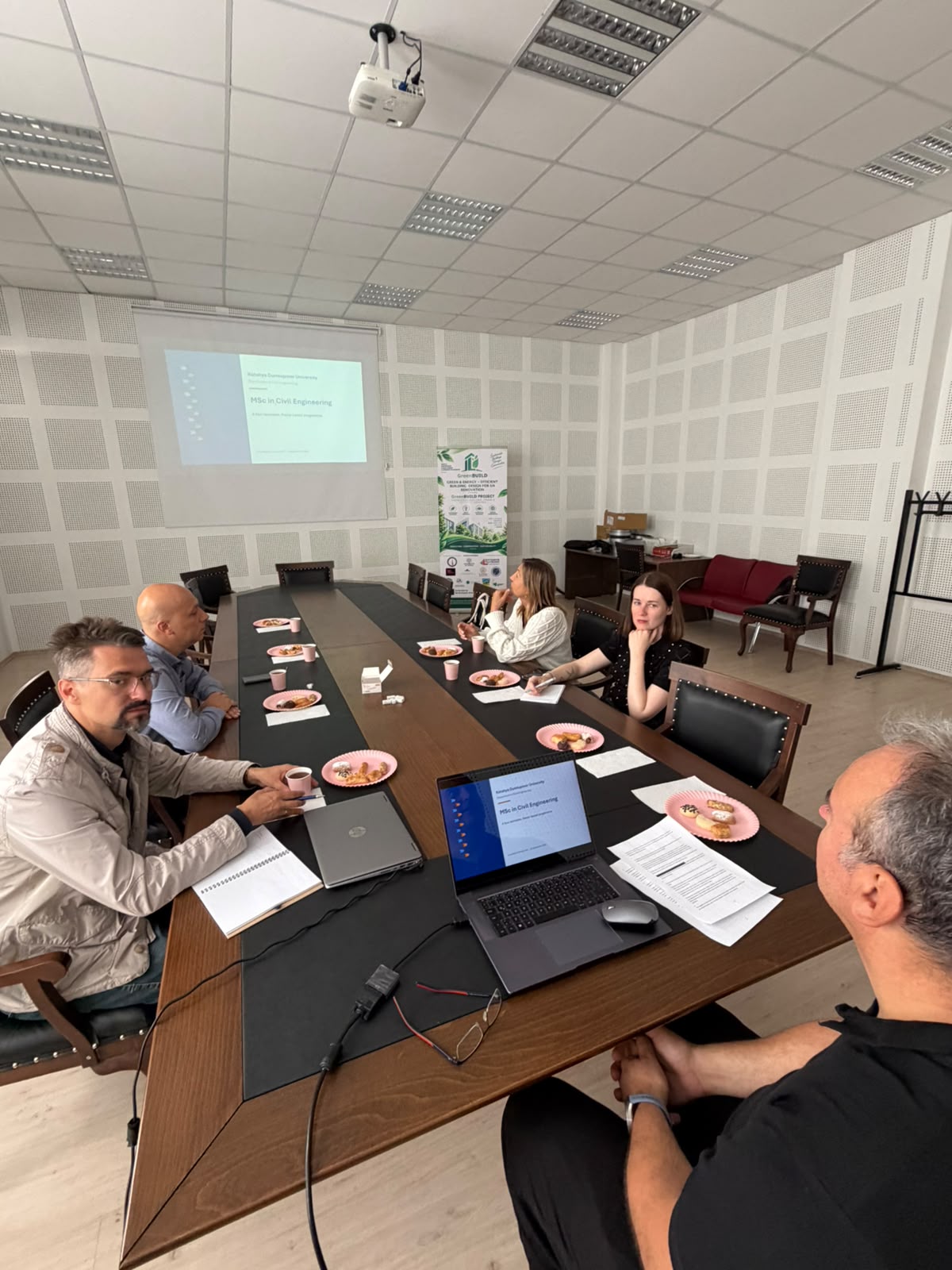
For Working Group 1, the discussions focused on the Bologna Process, ECTS alignment and harmonisation of curricula across partner universities. Participants explored approaches to structuring Master’s programmes and developing educational content in line with European higher education practices.
The programme also included an introduction to the structure of the Energy Technologies and Systems course, providing a practical example of organising technical educational content.
Meanwhile, Working Group 2 focused on the integration of Massive Open Online Courses (MOOCs) into university education. The sessions addressed institutional approaches to implementing online courses, recognising learning outcomes and academic credits, and establishing student support mechanisms.
These discussions provided valuable insights for the development of the GreenBUILD Master’s programme and the future online training course for construction professionals.
Innovative Teaching Methods and Digital Tools
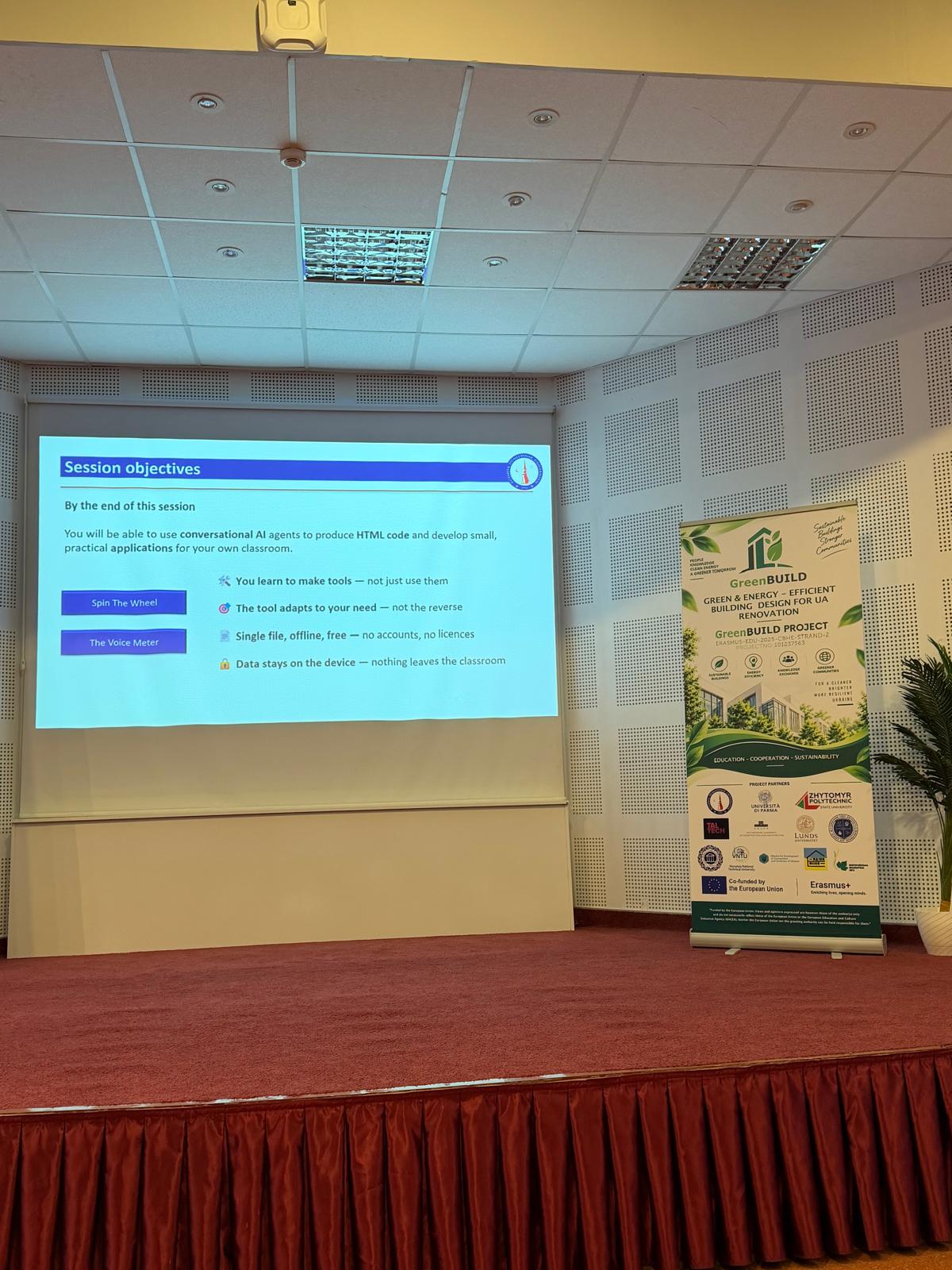
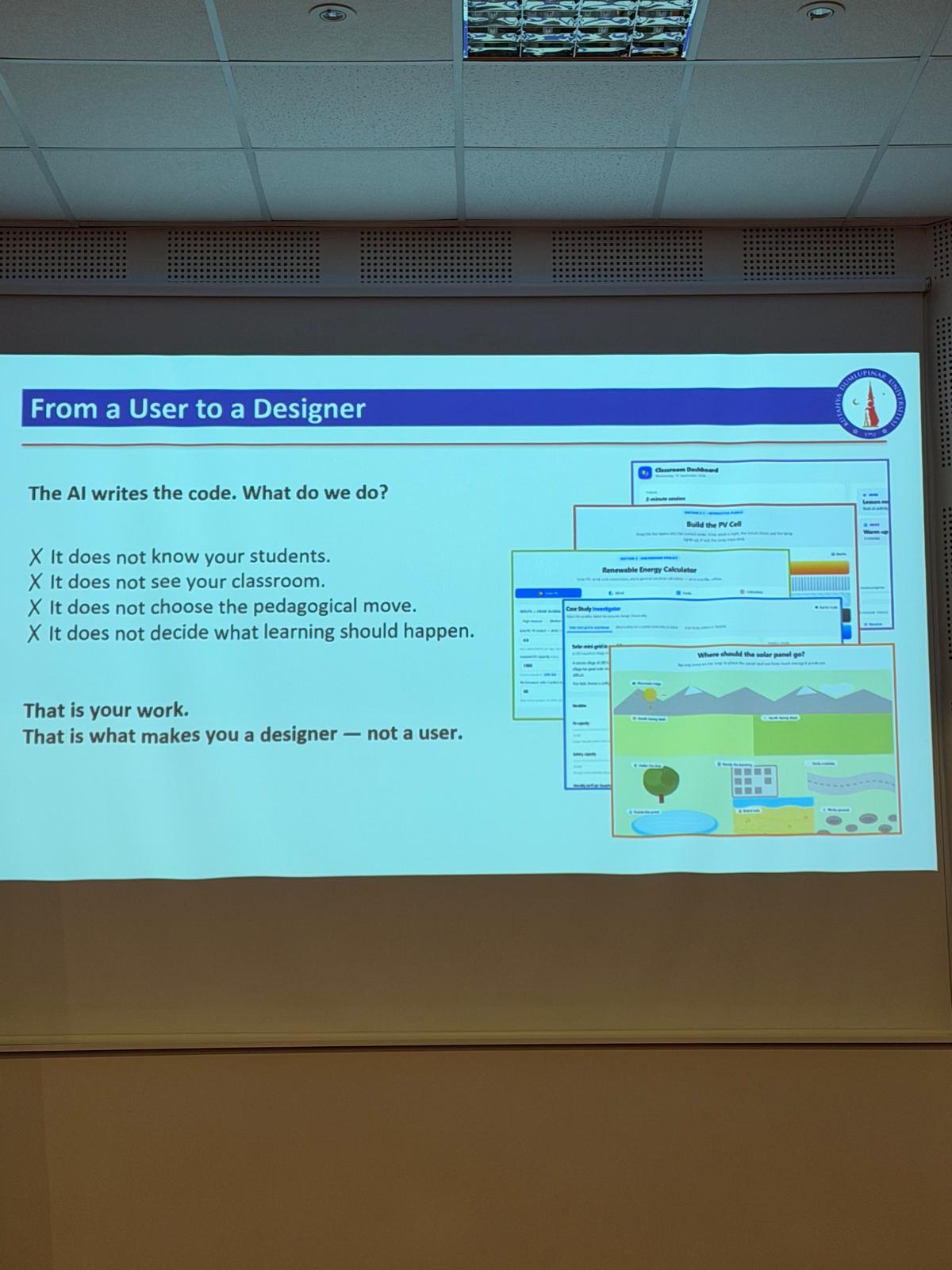
A major component of the study visit was a series of joint pedagogical training sessions delivered by academic experts from Kütahya Dumlupınar University.
Participants explored modern approaches to classroom management, active learning and student engagement, including teaching strategies suitable for educational environments with limited technical infrastructure.
Special attention was given to Web 2.0 and Web 3.0 tools for course delivery, including interactive digital platforms, online collaboration tools and accessible technologies that can support flexible and engaging learning experiences.
The programme also covered course planning and development strategies, demonstrating how structured teaching sequences can connect theoretical explanations, guided practical exercises and real-world applications.
Another important topic was course evaluation and assessment, including formative and summative assessment methods, the development of evaluation criteria and the use of assessment rubrics.
These sessions provided practical examples of innovative teaching approaches that can be adapted and integrated into the educational components developed within GreenBUILD.
Exploring Engineering Laboratories and Virtual Reality Technologies
On 23 September, participants visited the university’s engineering and digital learning facilities to explore how modern laboratory infrastructure supports education and research.
The programme included a visit to the Civil Engineering Department and facilities related to building damage and renovation, providing insights into laboratory-based approaches to engineering education.
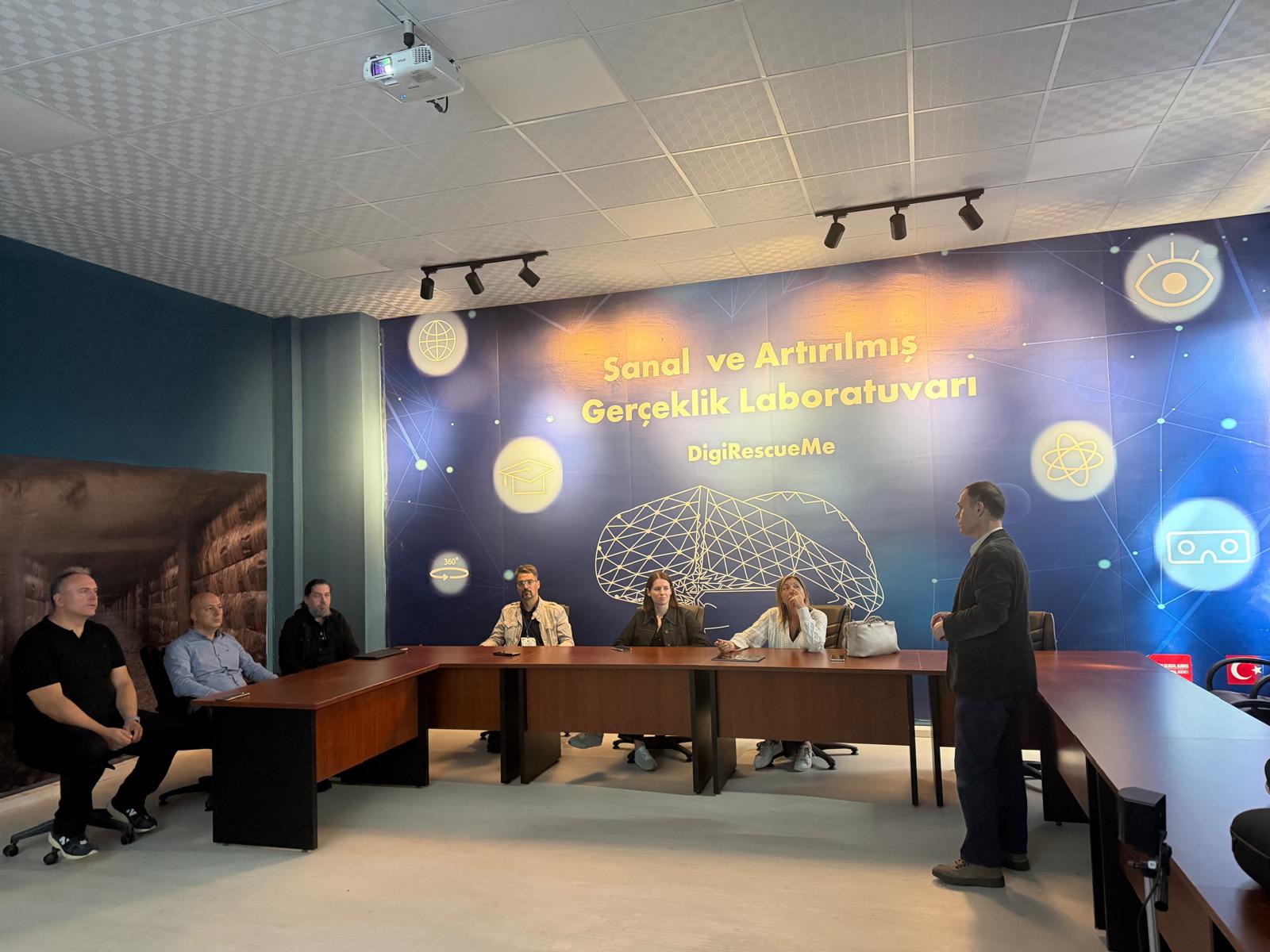
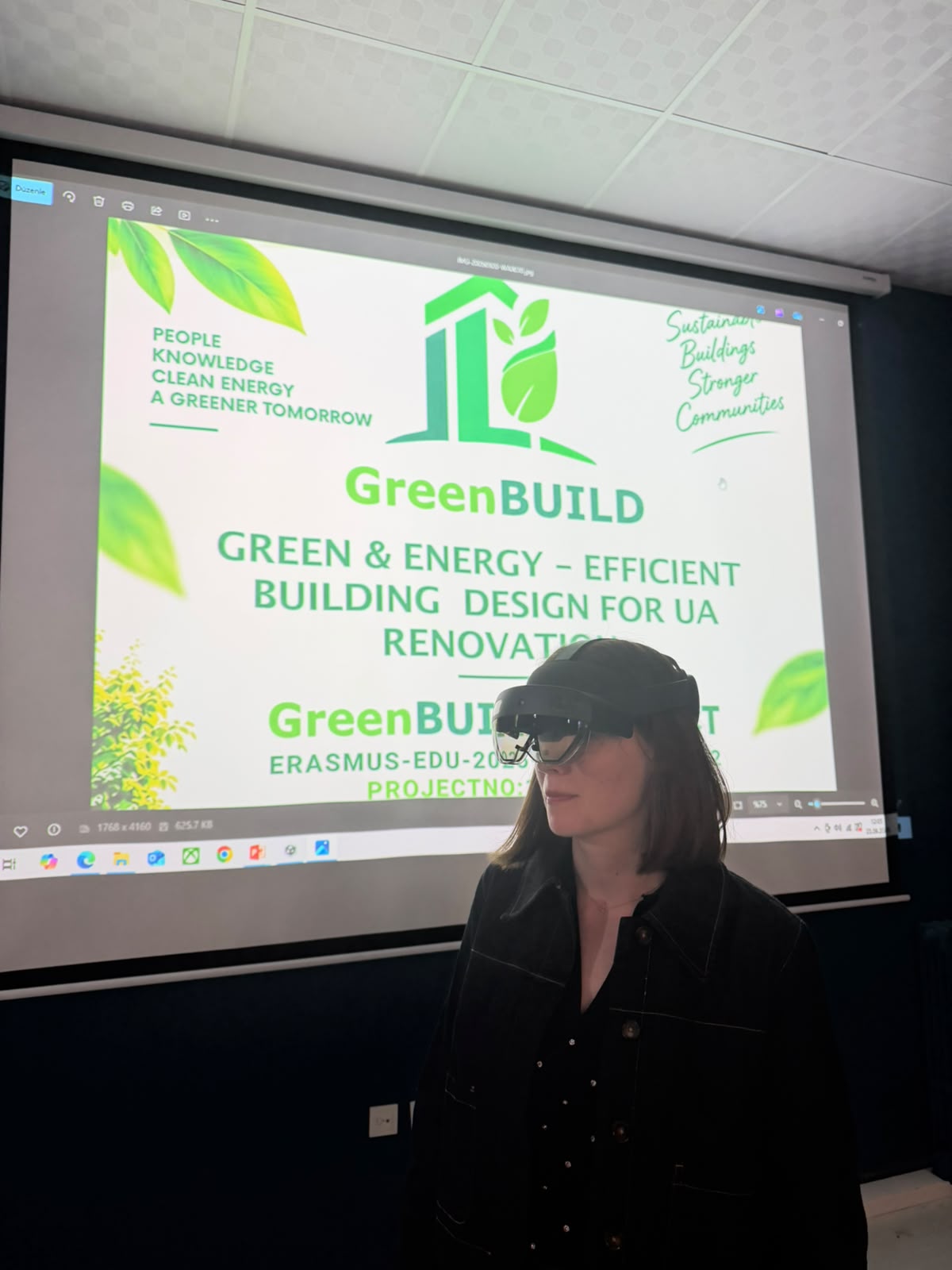
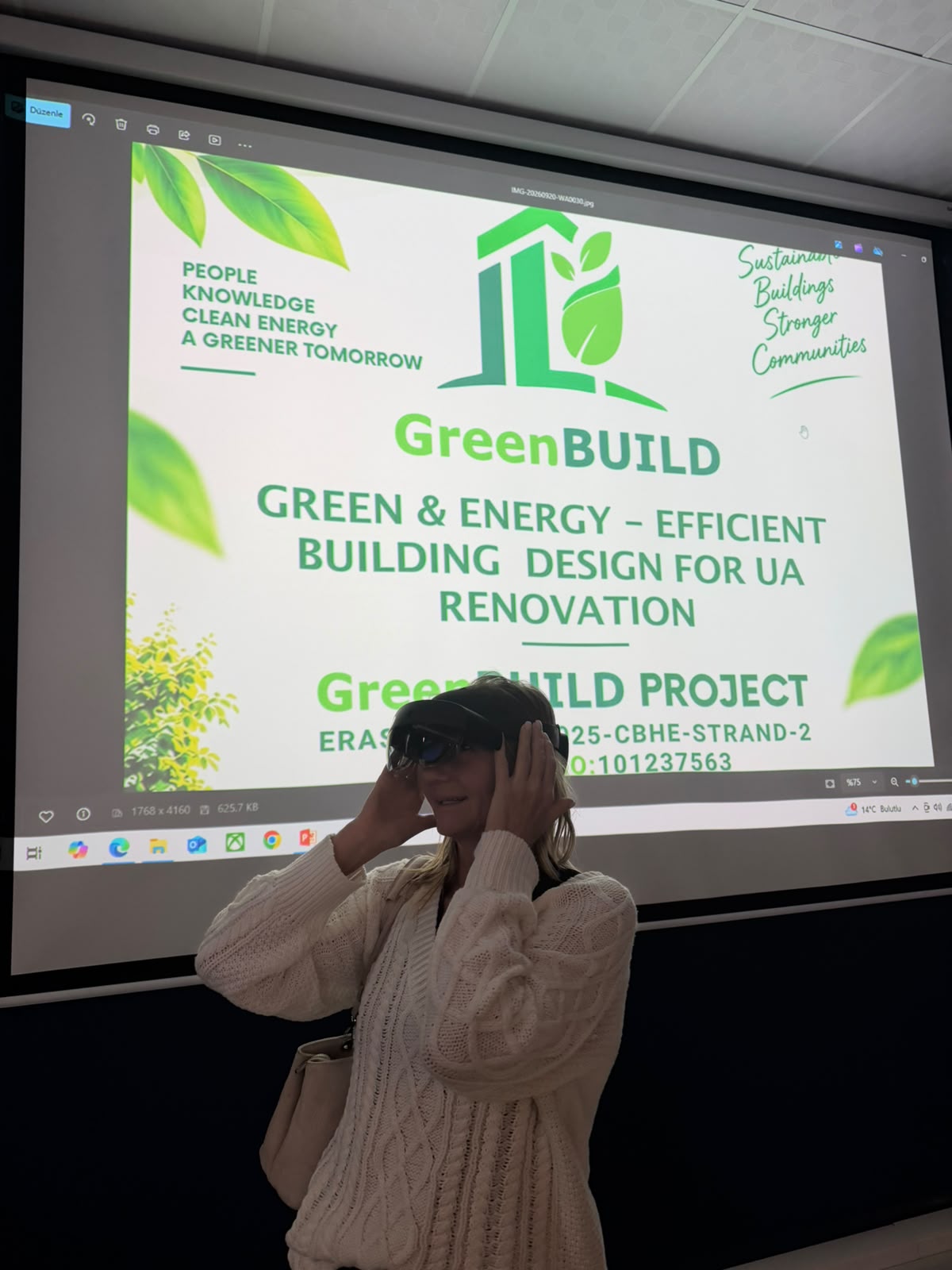
Participants also explored the university’s Virtual Reality (VR) laboratories, where virtual and augmented reality technologies are used in engineering applications, including approaches related to the reliability and safety of buildings.
The laboratory visits demonstrated the potential of digital technologies to enhance practical learning, visualise complex engineering processes and support the development of professional competencies.
This experience is particularly relevant to GreenBUILD’s objective of modernising laboratory infrastructure and introducing innovative, practice-oriented teaching methods in Ukrainian partner universities.
Renewable Energy Technologies in Practice
On 24 September, the study visit continued with a technical field visit to a renewable energy facility.
Participants were introduced to the facility’s operations and explored renewable energy generation technologies, control systems and practical technological applications.
The programme also provided an opportunity to exchange knowledge with engineering specialists and examine how renewable energy technologies are implemented in practice.
Such activities help strengthen the connection between university education and industrial applications, demonstrating how real-world engineering experience can be incorporated into teaching materials and practical student assignments.
The study visit was complemented by intercultural exchange activities, including a guided visit to the ancient city of Aizanoi, providing participants with an opportunity to explore the cultural heritage of the region and strengthen international partnerships.
Contributing to GreenBUILD Objectives
The study visit to Kütahya Dumlupınar University represented an important step in strengthening the educational and professional capacity of Ukrainian universities participating in GreenBUILD.
By combining curriculum development, innovative teaching methodologies, digital learning technologies, engineering laboratory experience and practical exposure to renewable energy solutions, the programme addressed several key priorities of the project.
The knowledge and experience gained during the visit will support the next stages of GreenBUILD implementation, particularly the development of the new Master’s curriculum and teaching materials, modernisation of laboratory-based education, introduction of contemporary assessment and teaching methods, and development of the GreenBUILD MOOC.
The visit also strengthened cooperation between Ukrainian and Turkish academic teams, creating opportunities for continued knowledge exchange and the adaptation of international educational practices to the needs of Ukrainian higher education.
Through such capacity-building activities, GreenBUILD contributes to preparing a new generation of architects, engineers and construction professionals equipped with the knowledge and skills required for the sustainable, energy-efficient and resilient reconstruction of Ukraine.