Partner Research Highlights: Green Roof Design for Improved Building Energy Performance
Researchers from Kyiv National University of Construction and Architecture (KNUCA), a GreenBUILD consortium partner, have recently published a new scientific study exploring how green roof design can contribute to improving the energy performance of buildings.
The article, “Planning of Green Roofs for the Best Thermotechnical Effect”, was published in Scientific Review Engineering and Environmental Sciences by Tetiana Tkachenko, Viktor Mileikovskyi and co-authors.
Why does it matter?
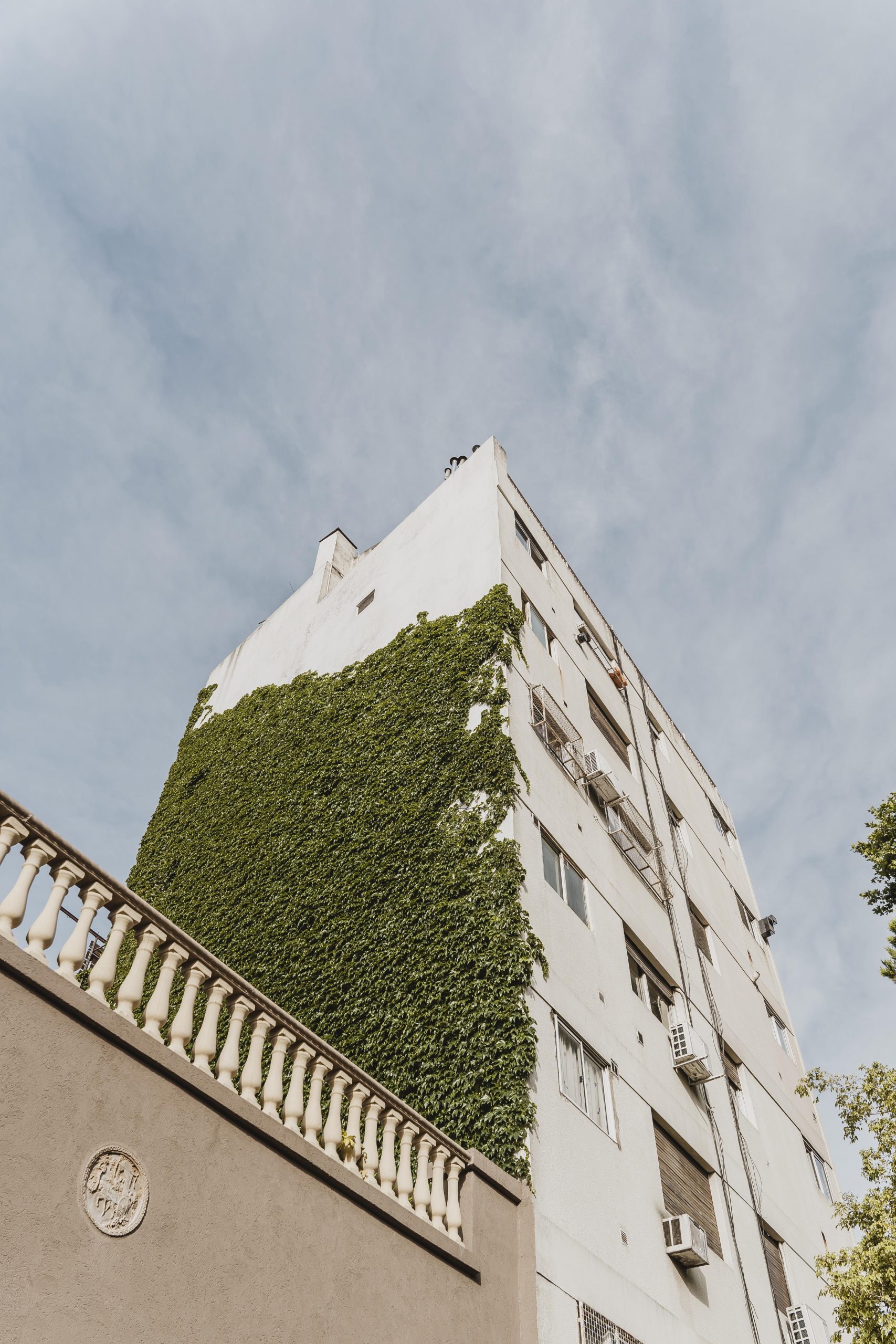
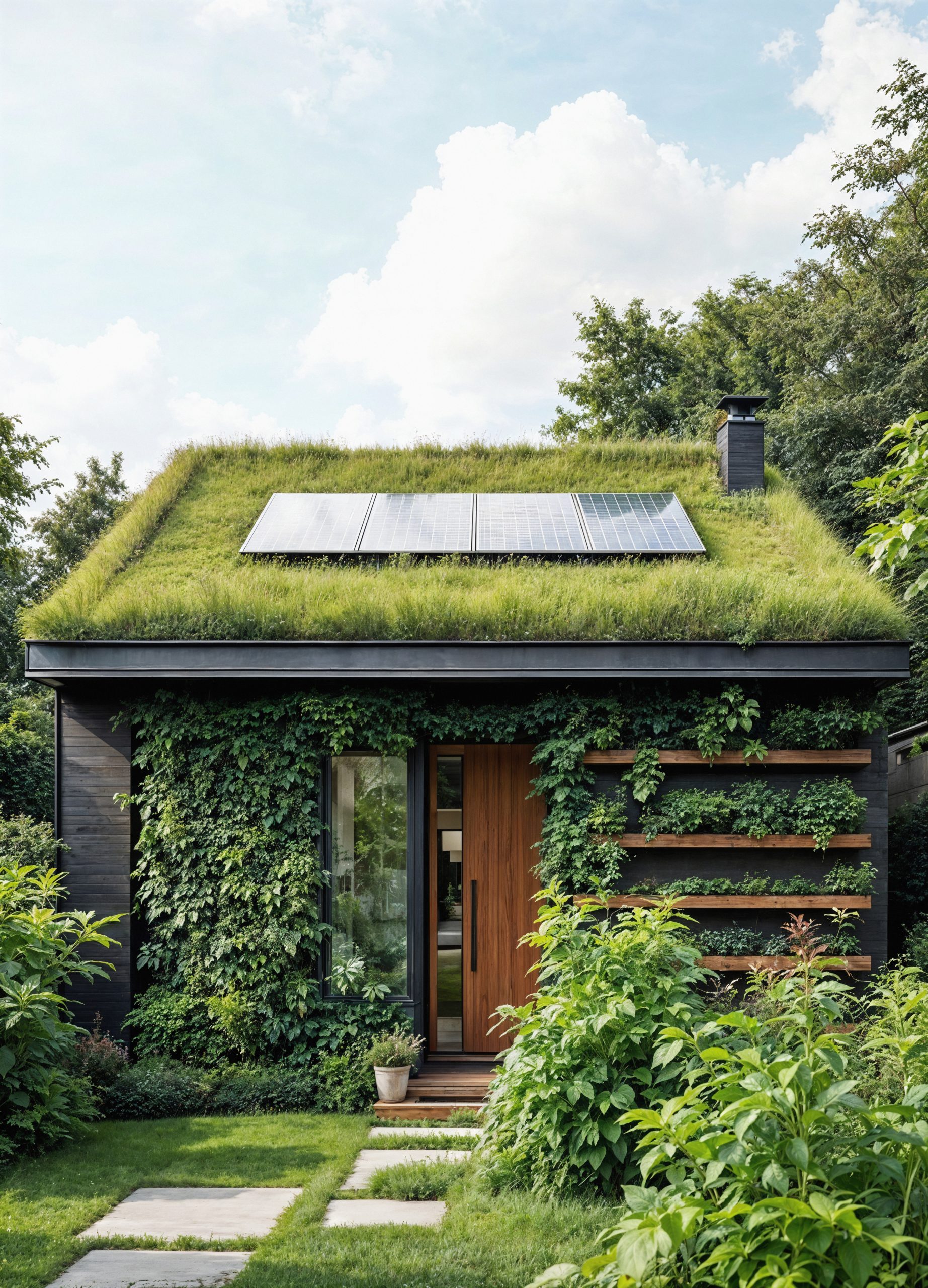
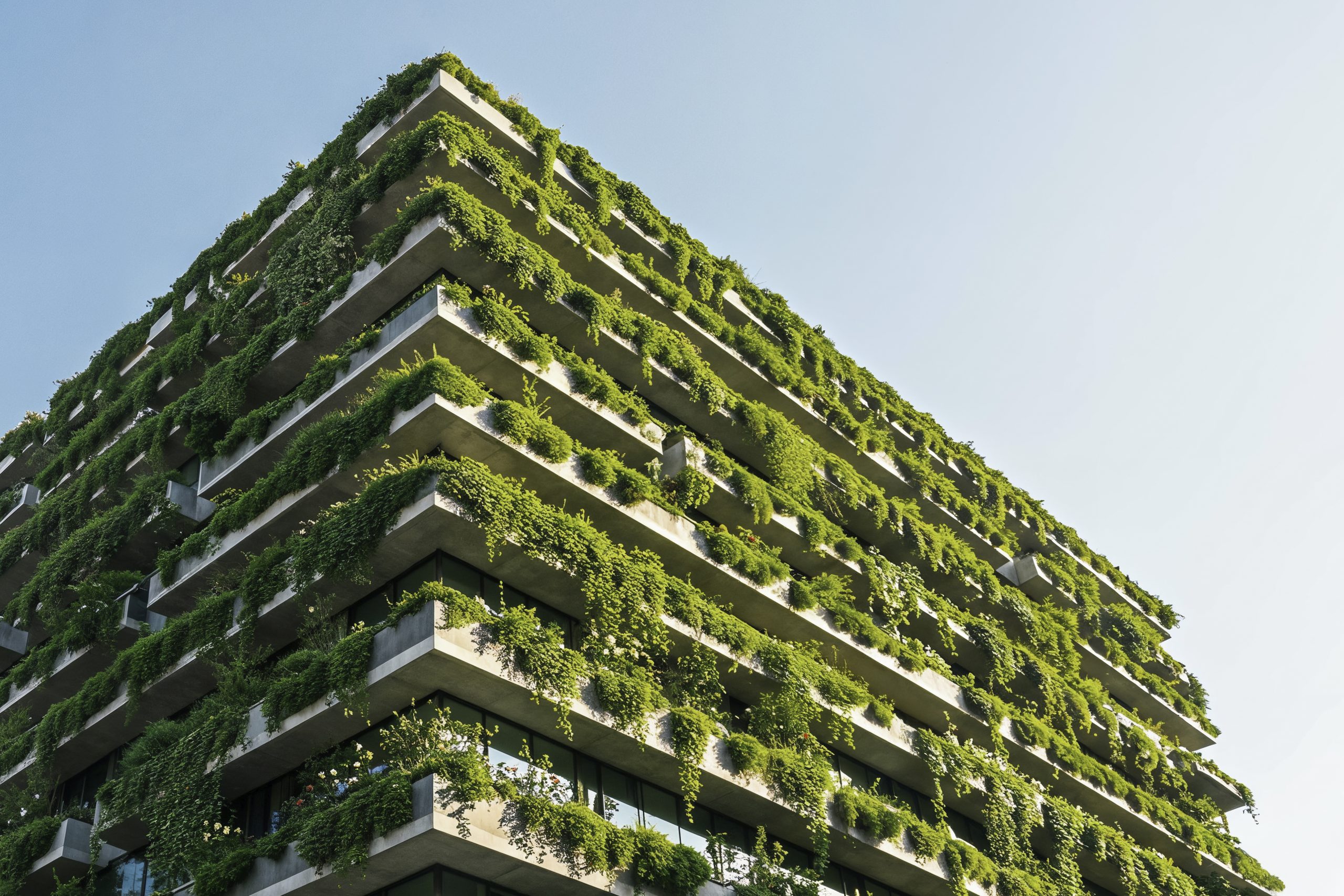
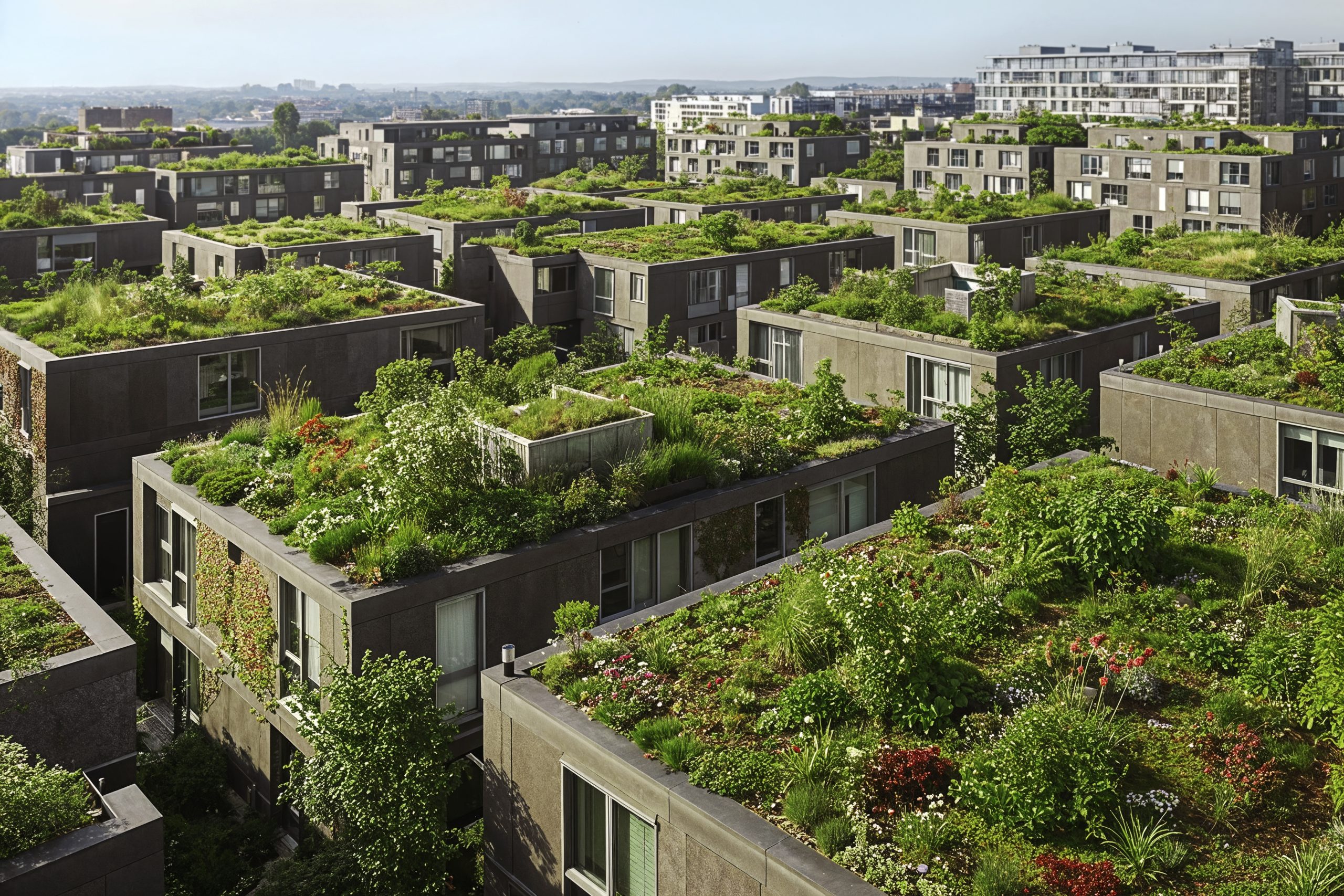
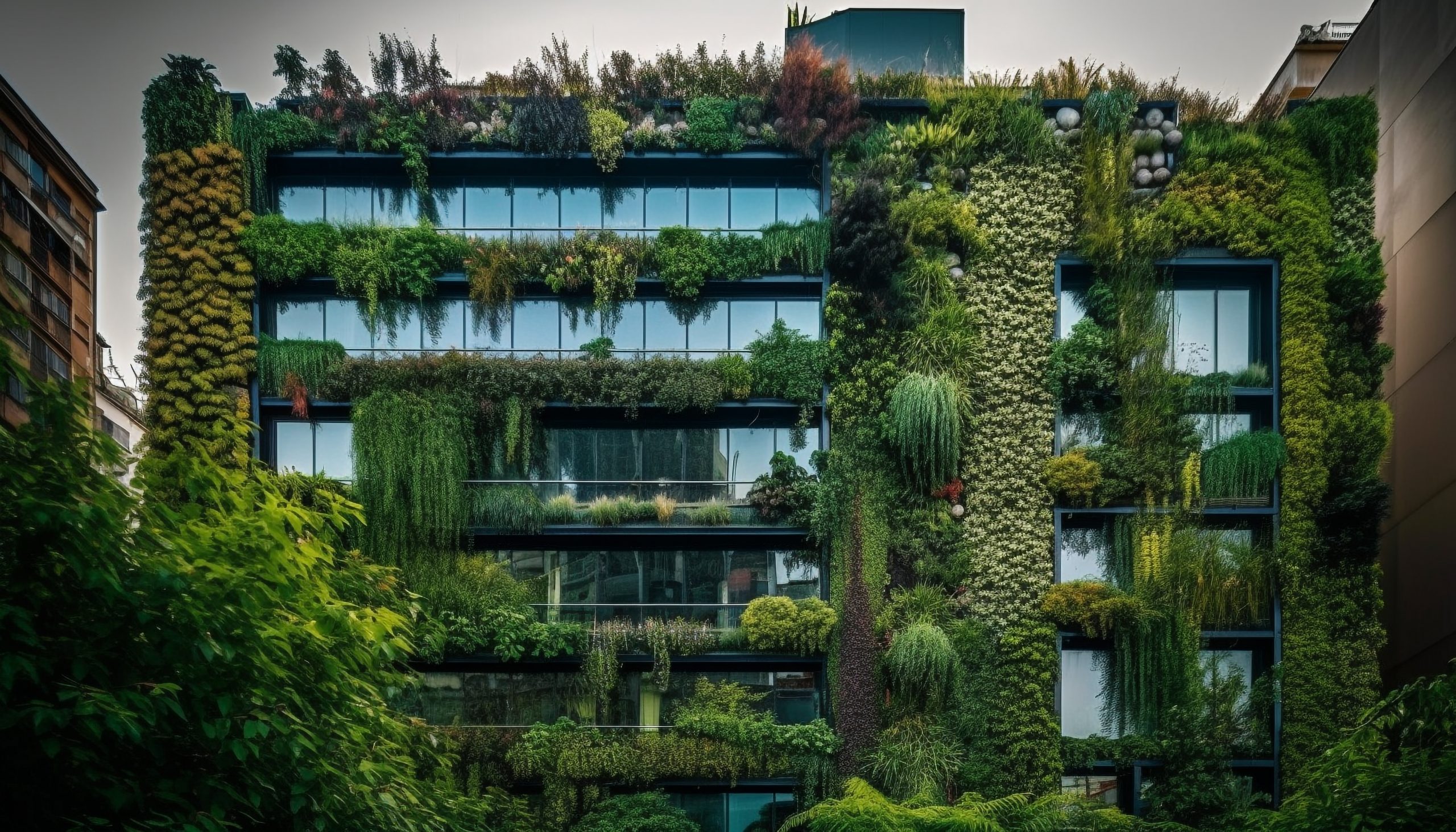
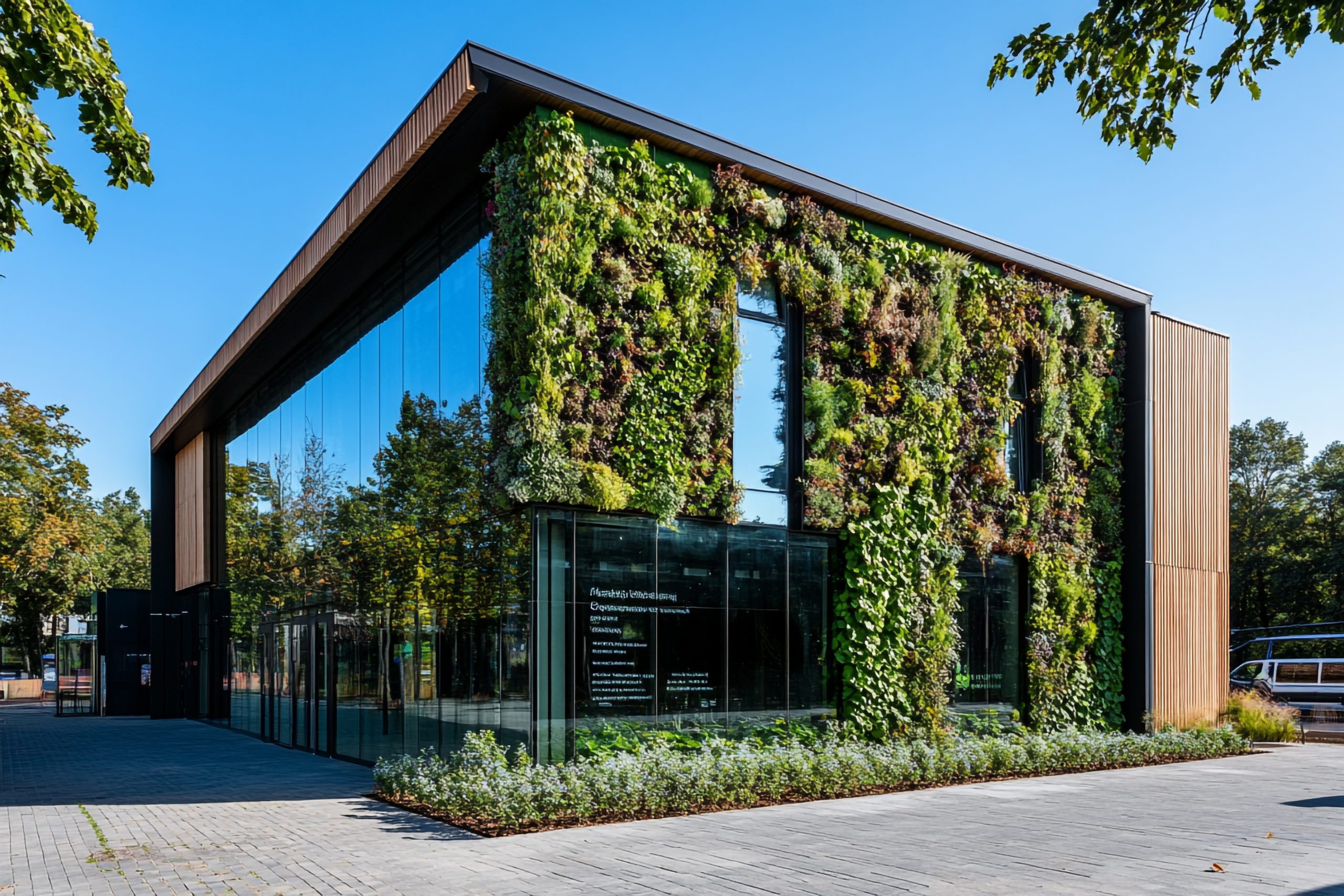
Green roofs are increasingly recognised as an important nature-based solution for sustainable and climate-resilient construction. Besides improving urban biodiversity and stormwater management, they can help reduce overheating and decrease cooling energy demand in buildings.
The researchers investigated how pathways integrated into semi-intensive green roofs affect heat transfer through the roof structure. Using numerical modelling based on the Fourier–Kirchhoff equation, they analysed heat flows under different weather conditions.
Key findings
The study demonstrates that conventional roof pathways can create additional heat gains in buildings, increasing cooling loads during warm periods. Simulations showed additional heat transfer of approximately 1.8–2.0 W/m² beneath roof paths compared to vegetated roof areas.
To maximise the thermotechnical benefits of green roofs, the authors recommend:
- locating roof pathways above auxiliary spaces whenever possible;
- expanding vegetated roof coverage;
- using plant-permeable paving systems;
- introducing walkable green surfaces that combine accessibility with cooling benefits.
Relevance to GreenBUILD
The findings strongly align with the GreenBUILD project’s objectives of promoting sustainable construction, climate adaptation, and innovative building design solutions. The research highlights how nature-based approaches can contribute to reducing energy consumption while improving environmental performance and occupant comfort.
 Read the full article:
https://doi.org/10.22630/srees.9954