GreenBUILD Study Visit to Lund University: Exploring Sustainable Construction, Energy Technologies and Digital Education
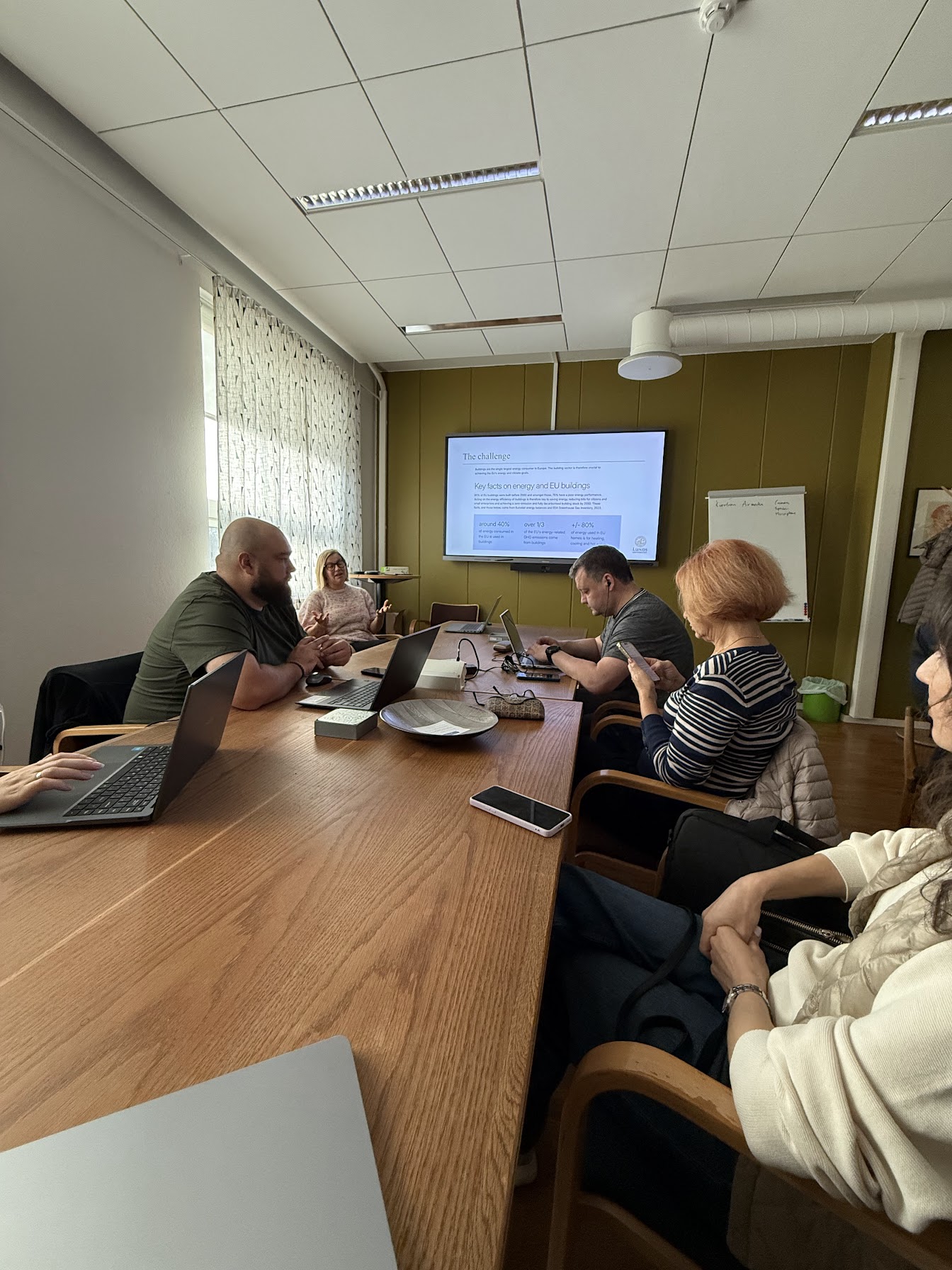
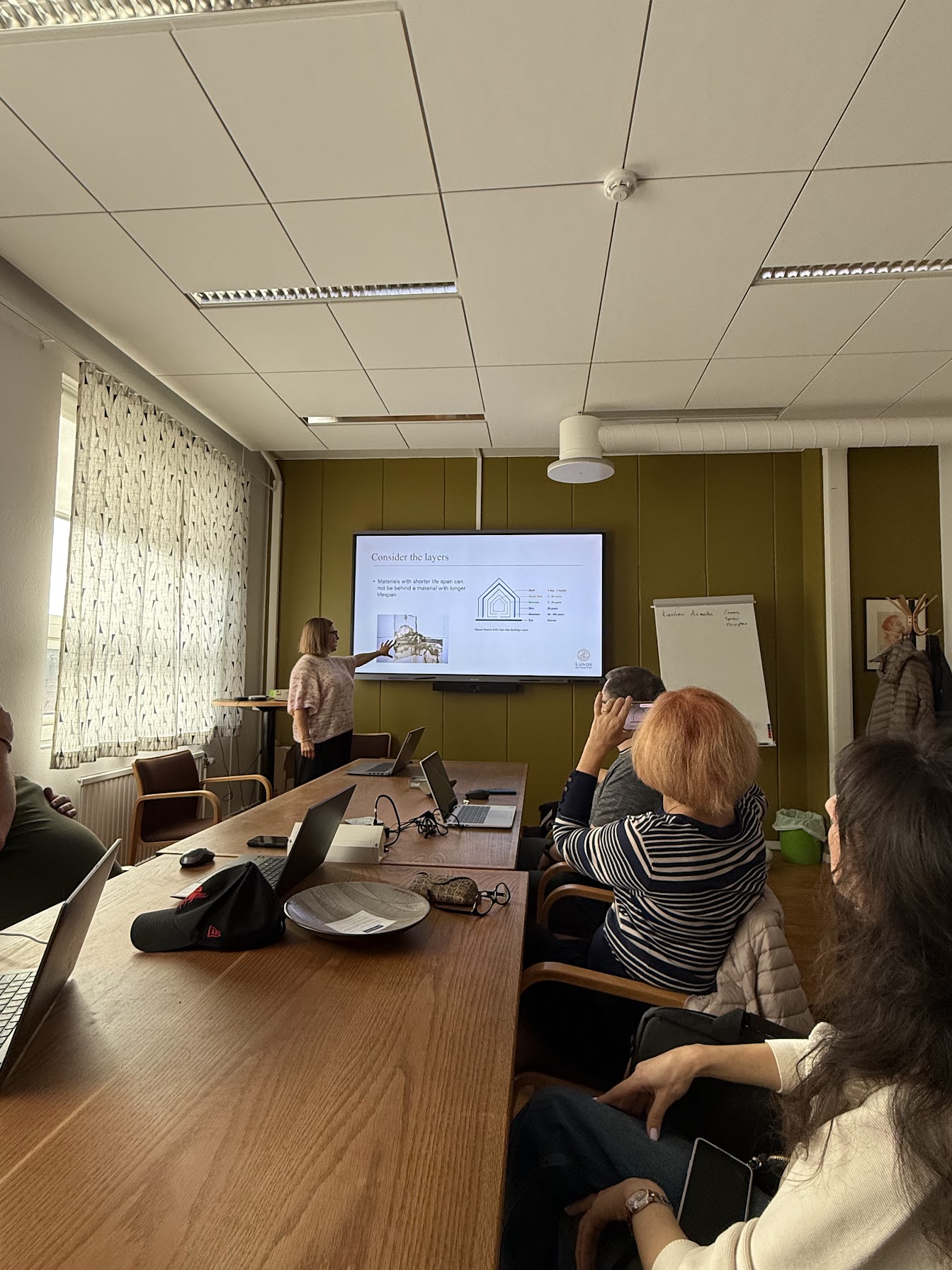
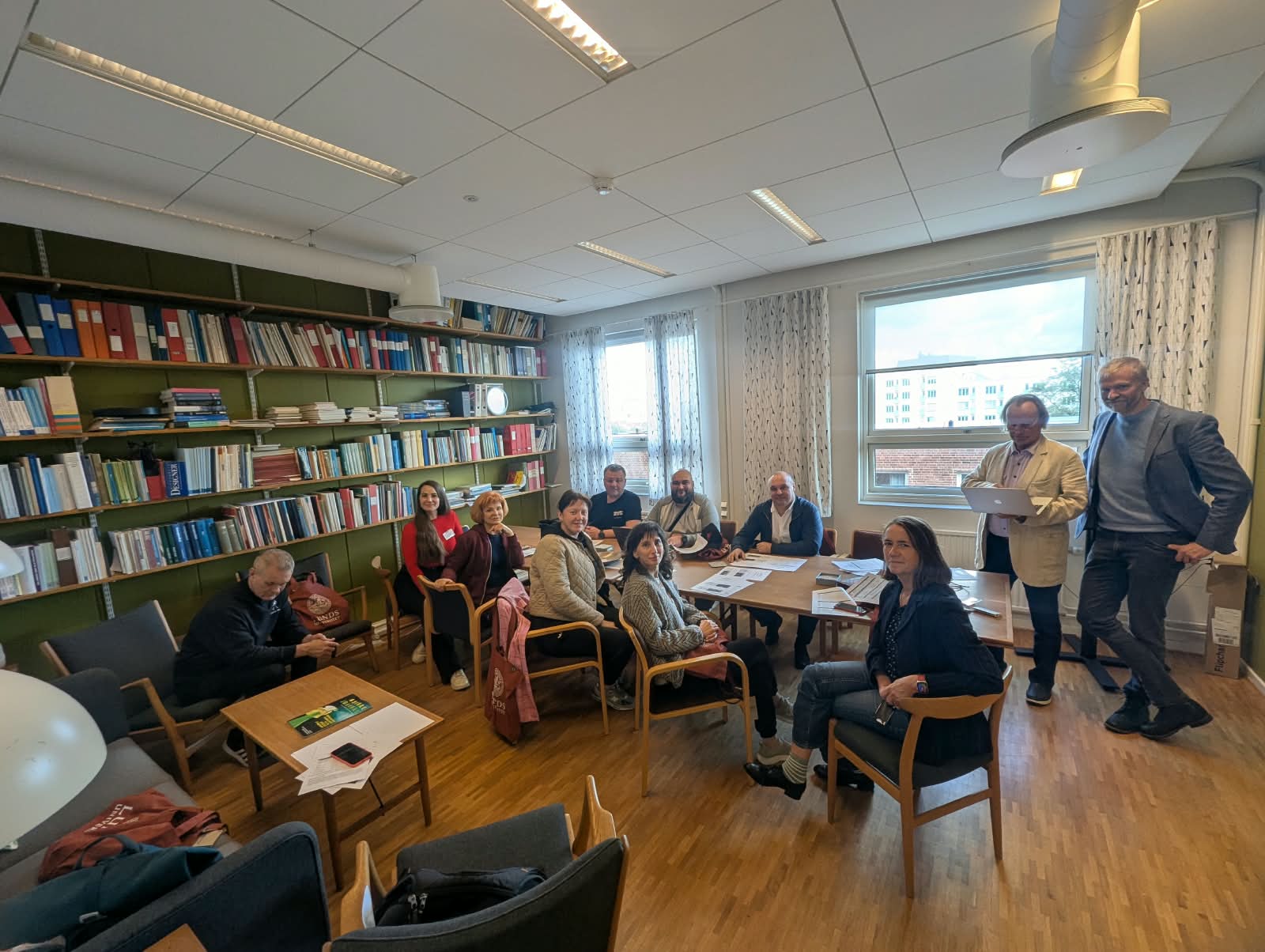
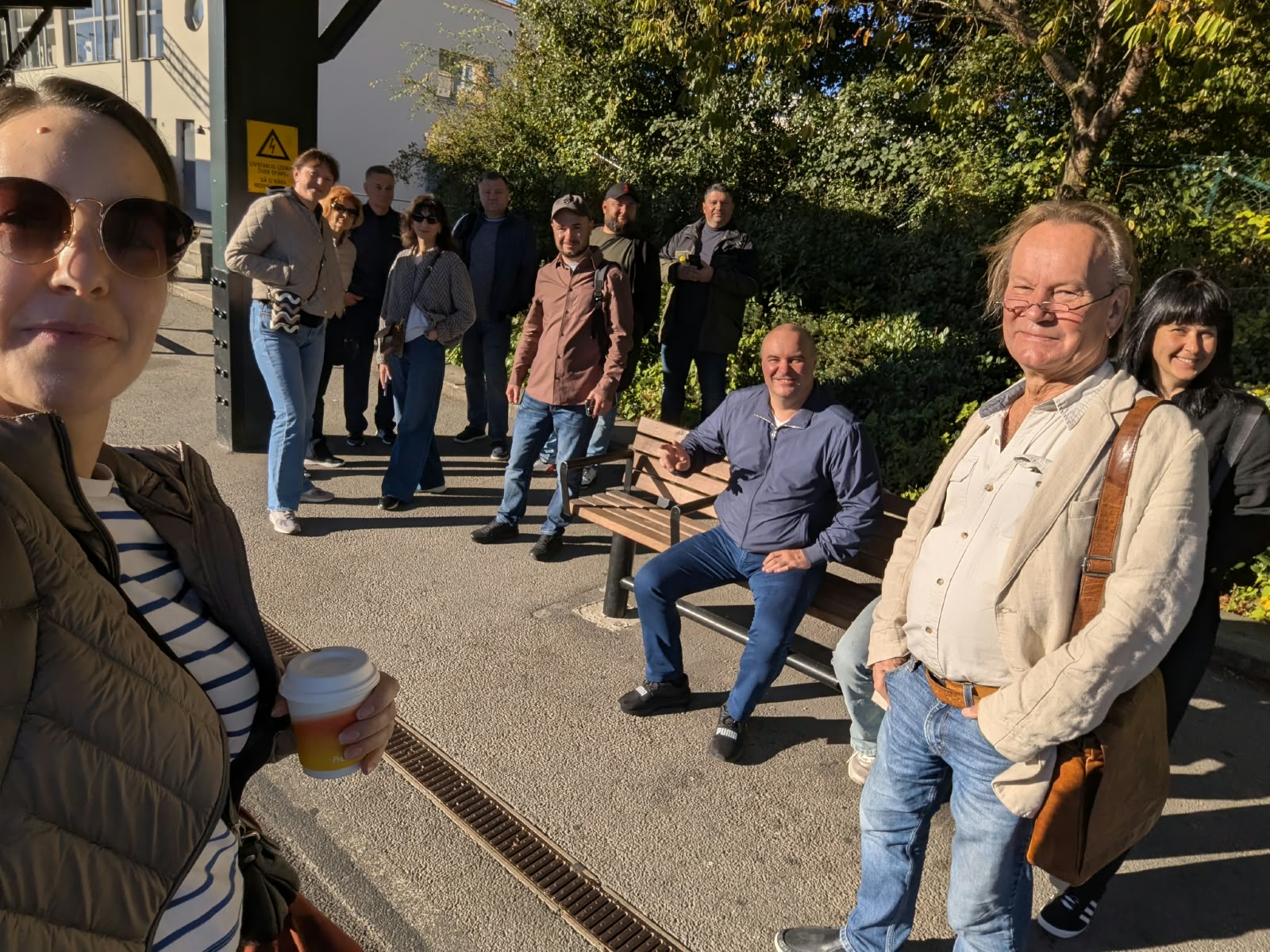
From 21 to 25 September 2026, Lund University, Sweden, hosted a study visit within the Erasmus+ Capacity Building in Higher Education project “Green & Energy-Efficient Building Design for UA Renovation (GreenBUILD)”.
The visit brought together representatives of Ukrainian partner universities to explore advanced approaches to sustainable construction, building energy performance, innovative teaching methodologies, digital learning technologies and modern laboratory infrastructure.
The programme involved two GreenBUILD working groups: Working Group 1 (WG1), focusing on Master’s programme development, laboratory infrastructure and modern student training methods, and Working Group 2 (WG2), responsible for the development and implementation of Massive Open Online Courses (MOOCs).
Combining joint technical sessions, laboratory visits and specialised educational activities, the programme provided participants with practical insights into the integration of research, innovative technologies and modern teaching practices in higher education.
Exploring Laboratory Infrastructure and Digital Learning at Lund University
The study visit began on 21 September with a welcome session and an introduction to Lund University’s research and educational infrastructure.
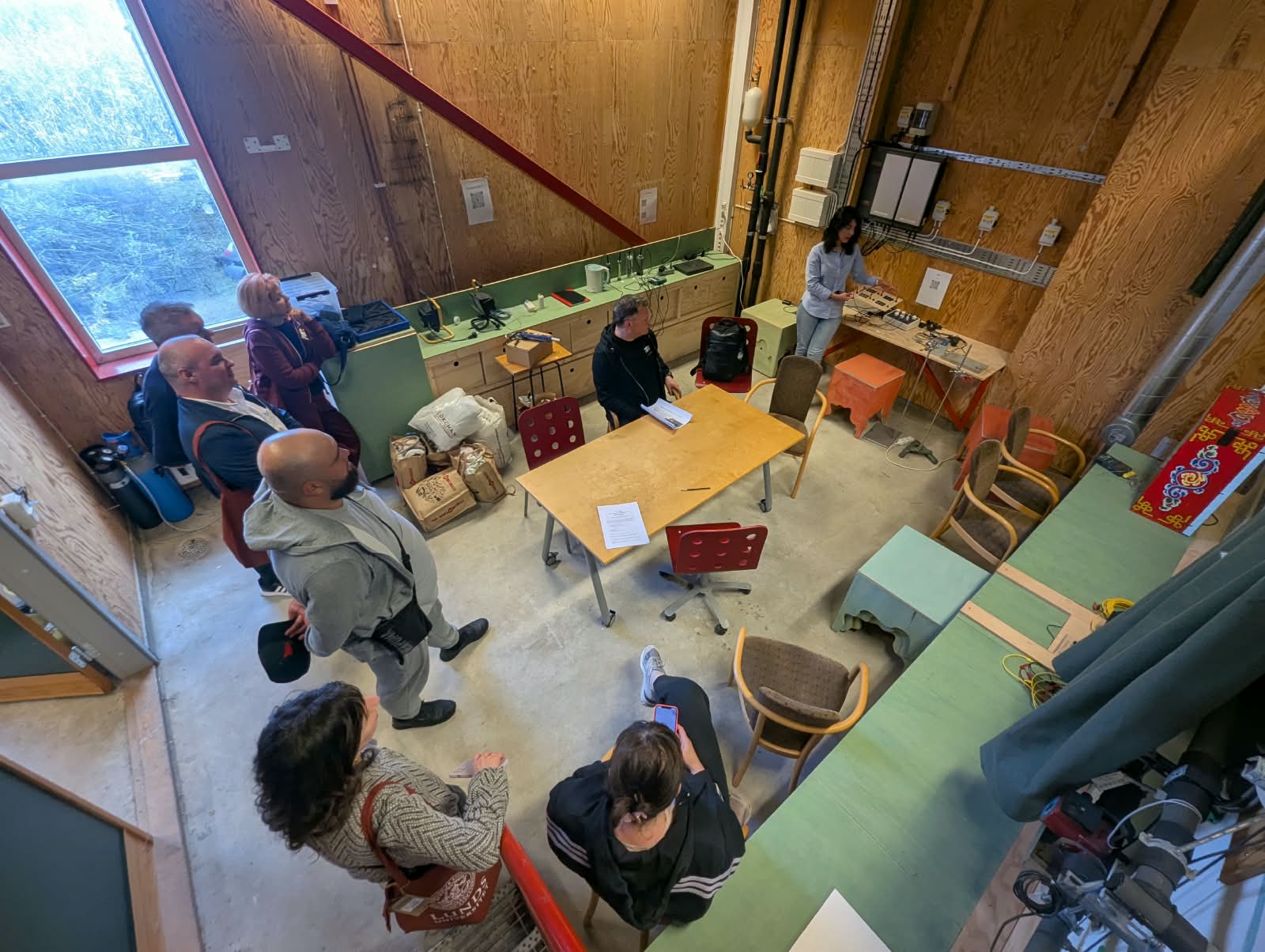
Participants visited laboratories dedicated to Energy and Building Design, where they explored facilities supporting research and education in building engineering and energy technologies.
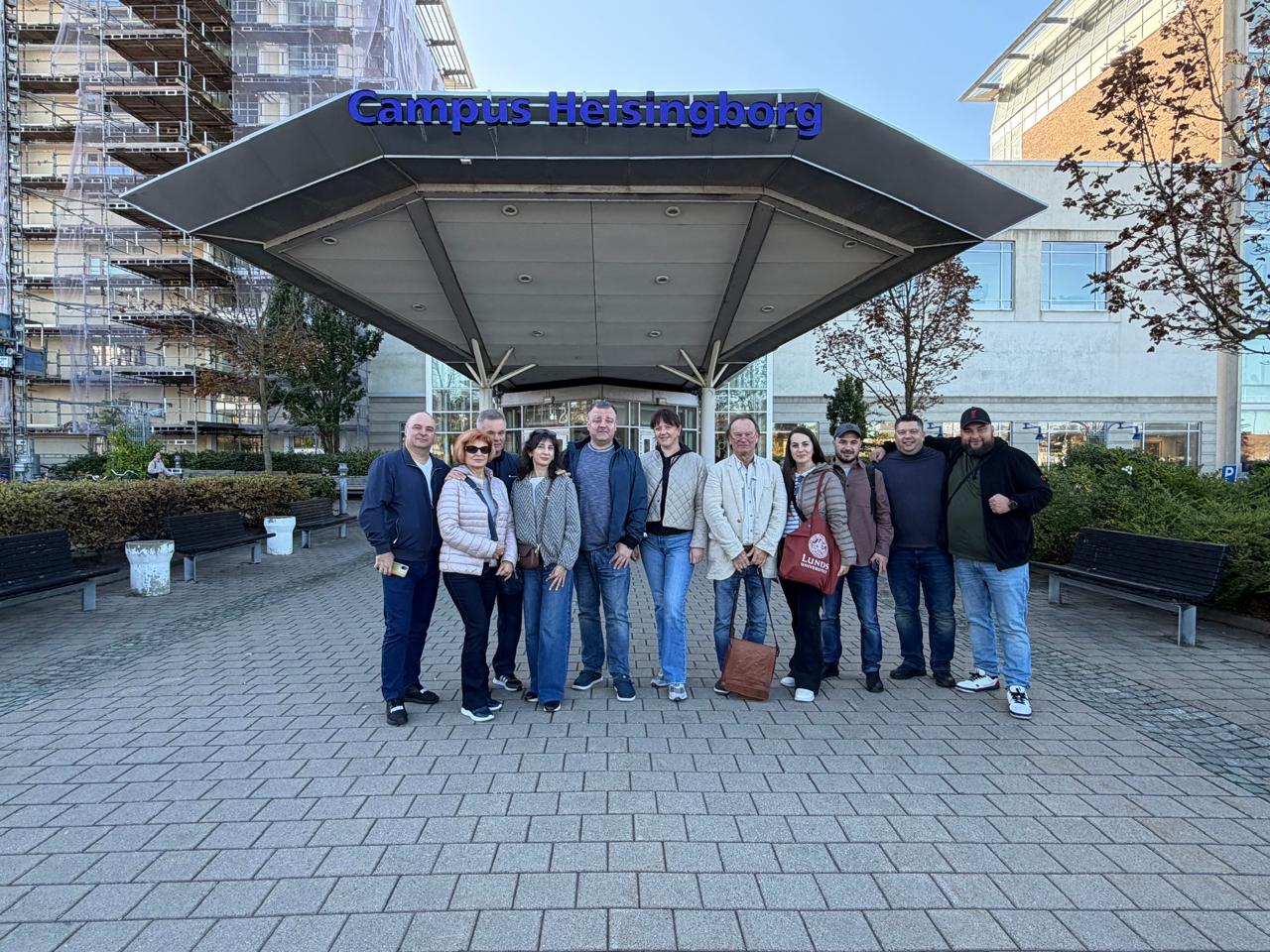
On 22 September, the programme continued at Campus Helsingborg, with specialised activities addressing the objectives of both working groups.
For WG1, the programme focused on distance learning approaches and laboratory infrastructure, providing insights into how modern educational facilities and digital teaching methods can support Master’s-level engineering education.
Meanwhile, WG2 explored Lund University’s experience in MOOC course development, including a visit to the university’s MOOC studio. Participants discussed approaches to creating online educational content and the practical organisation of digital course production.
These activities were particularly relevant to GreenBUILD’s plans to develop new Master’s courses and an accessible online training programme for construction professionals.
Virtual Reality, Preparedness and Resilience
Another important component of the programme was a visit to the Centre for Preparedness and Resilience and its Virtual Reality (VR) laboratories.
Participants explored the potential of immersive technologies and simulation-based approaches to support education and research.
The visit demonstrated how digital environments can contribute to understanding complex technical challenges and provide new opportunities for interactive, practice-oriented learning.
The experience offered valuable perspectives for the development of modern educational resources and the integration of innovative digital technologies into GreenBUILD teaching activities.
Circular Construction and Sustainable Building Materials
On 23 September, participants attended a series of lectures and discussions addressing key challenges in sustainable construction.
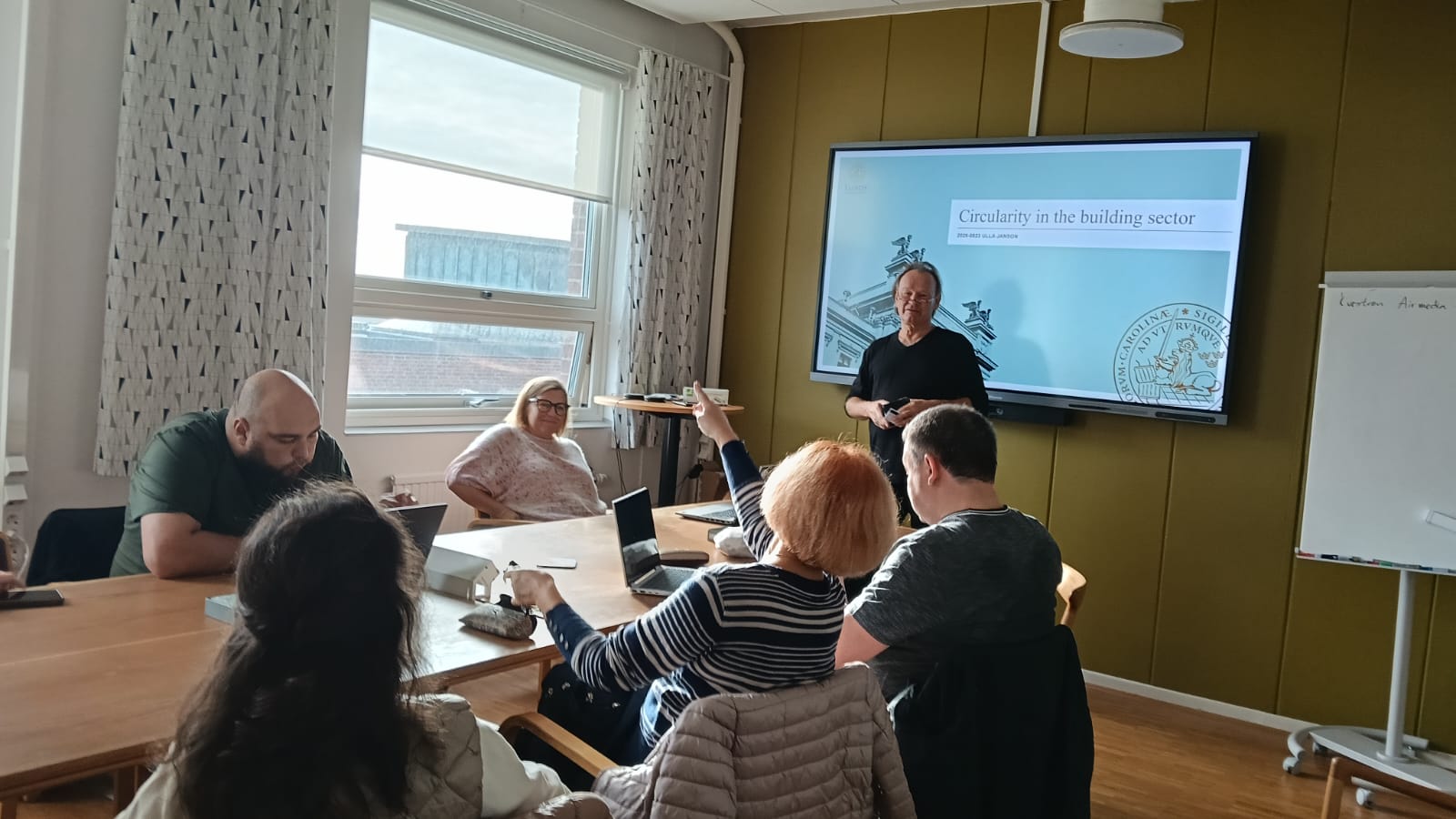
One of the central topics was circularity in the built environment, highlighting the importance of resource-efficient approaches throughout the building life cycle.
The programme also included a dedicated session on recycling of building materials, exploring opportunities to reduce construction waste and support more sustainable use of resources.
These topics are especially relevant to Ukraine’s reconstruction, where the renovation of damaged buildings and the management of construction materials require environmentally responsible and resource-efficient solutions.
The discussions provided valuable knowledge that can be incorporated into future GreenBUILD courses addressing sustainable construction design, material efficiency and circular economy principles.
Building Energy Performance, Ventilation and Simulation Technologies
A significant part of the technical programme focused on improving the energy performance of buildings through modern engineering solutions and simulation tools.
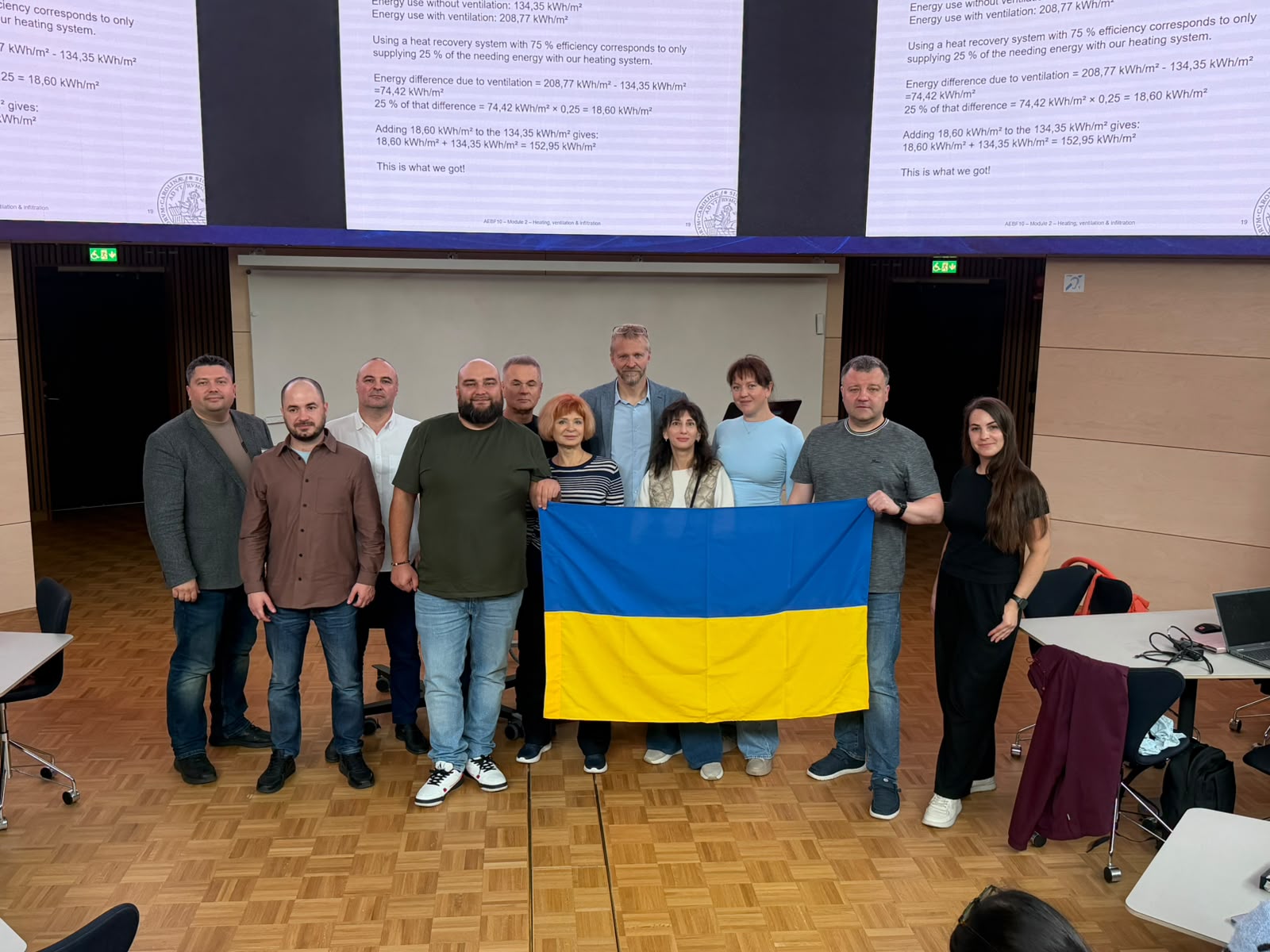
Participants attended a lecture and practical simulation session on heating, ventilation and air infiltration, examining important factors influencing indoor environmental conditions and building energy consumption.
On 24 September, the programme continued with specialised sessions covering:
Photovoltaic technologies and simulation tools — exploring solar energy applications and approaches to modelling energy systems;
Building services — examining engineering systems that support building functionality and performance;
Solar protection and simulation software — studying approaches to evaluating solar shading and its influence on building conditions.
These activities demonstrated the importance of integrating renewable energy technologies, building services and digital modelling into modern construction education.
The knowledge gained is directly relevant to the development of GreenBUILD educational materials focusing on energy-efficient building design, sustainable renovation and the practical application of engineering simulation tools.
Improving Teaching and Learning with Digital Tools
In addition to technical training, the study visit addressed the modernisation of teaching methods and educational content.
A dedicated session on improving teaching and learning with digital tools introduced approaches to enhancing the educational process through contemporary digital technologies.
Participants also engaged in discussions on individual courses, providing opportunities to exchange experience on course content, teaching approaches and the integration of specialised technical knowledge into educational programmes.
For the GreenBUILD consortium, these discussions were particularly valuable in supporting the development of a new Master’s programme and ensuring that its educational components reflect contemporary European academic practices and technological developments.
The programme concluded on 25 September with a cultural visit to Kulturen Museum, where participants explored historical buildings from different periods, complementing the technical programme with insights into Sweden’s architectural and cultural heritage.
Contributing to GreenBUILD Objectives
The study visit to Lund University provided an important opportunity for Ukrainian academic staff to strengthen their knowledge of sustainable construction, circular building practices, renewable energy technologies, building performance simulation and digital education.
The combination of specialised technical lectures, laboratory visits, practical demonstrations and discussions on educational methodologies addressed several key priorities of the GreenBUILD project.
The experience gained will support the next stages of project implementation, particularly the development of the new Master’s curriculum, preparation of teaching materials, modernisation of laboratory-based education and creation of the GreenBUILD MOOC.
The visit also strengthened academic cooperation between Lund University and Ukrainian partner institutions, encouraging the exchange of expertise and the adaptation of European educational and technological practices to Ukraine’s reconstruction needs.
Through such international capacity-building activities, GreenBUILD contributes to preparing a new generation of architects, engineers and construction professionals equipped with the knowledge and competencies required for the sustainable, energy-efficient and resilient reconstruction of Ukraine.